A conveyor retrofit targets lower motor load while preserving a tight package and a particular belt speed. Start count is one part of the system redesign. This article addresses Single-Start versus Multi-Start Worm Screws for Conveyors as a practical machine-design or maintenance question. It connects the gear geometry to the evidence required for a responsible manufacturing decision, without substituting a generic model specification for measurements.
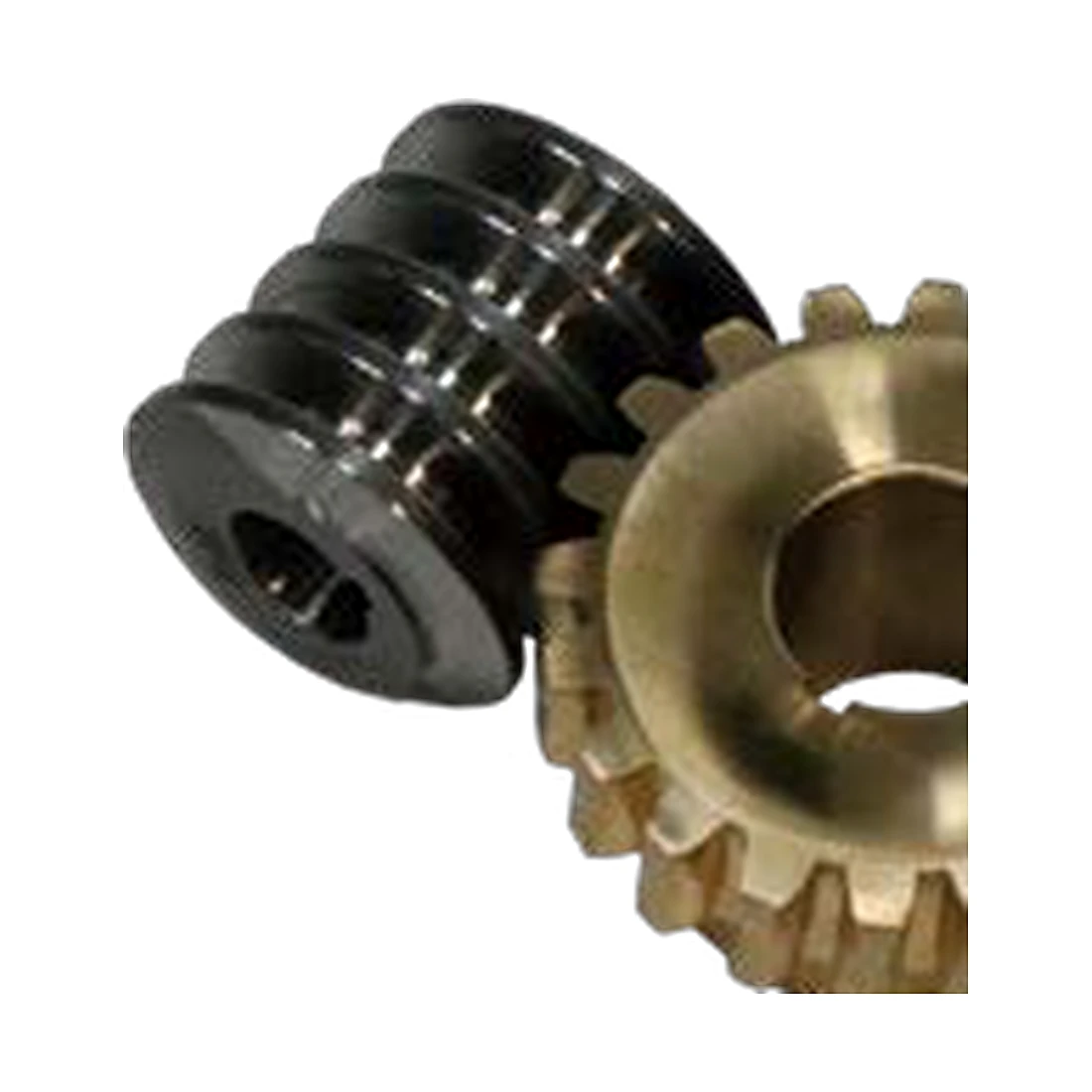
01 | Start with the equipment problem, not a catalogue photograph
A conveyor retrofit targets lower motor load while preserving a tight package and a particular belt speed. Start count is one part of the system redesign. In the problem definition review for Single-Start versus Multi-Start Worm Screws for Conveyors, the drawing issue to resolve is the resulting fit, operating behavior and acceptance criteria.
Optimizing only nominal ratio can create a hotter drive, insufficient starting torque or unacceptable rollback behavior when the load changes. For the problem definition decision on Single-Start versus Multi-Start Worm Screws for Conveyors, keep original measurements and authorized drawing requirements distinguishable in the acceptance record.
02 | Understand the gear motion involved
Single-start geometry can provide a high reduction for a given wheel tooth count; multi-start configurations change ratio, lead and potential efficiency. In the meshing mechanism review for Single-Start versus Multi-Start Worm Screws for Conveyors, for the quoted configuration, examine the resulting fit, operating behavior and acceptance criteria.
Record motor speed, current worm starts, wheel teeth, required output speed, shaft centers and overload events such as blocked conveyors. For the meshing mechanism decision on Single-Start versus Multi-Start Worm Screws for Conveyors, keep original measurements and authorized drawing requirements distinguishable in the acceptance record.
03 | Identify the worm and wheel interfaces
Record motor speed, current worm starts, wheel teeth, required output speed, shaft centers and overload events such as blocked conveyors. In the geometry and interface review for Single-Start versus Multi-Start Worm Screws for Conveyors, the relevant procurement risk involves the resulting fit, operating behavior and acceptance criteria.
Include conveyor type, belt/chain speed, product mass, loading cycle, motor/control data and existing reducer identification. For the geometry and interface decision on Single-Start versus Multi-Start Worm Screws for Conveyors, keep original measurements and authorized drawing requirements distinguishable in the acceptance record.
Explore Multi-Start Worm Screws →
04 | Decide what can be reused
Compare complete drive-system energy, thermal capacity and acceleration demands before changing start count. The mating wheel usually cannot be assumed reusable. In the replacement boundary review for Single-Start versus Multi-Start Worm Screws for Conveyors, the prototype review should address the resulting fit, operating behavior and acceptance criteria.
Optimizing only nominal ratio can create a hotter drive, insufficient starting torque or unacceptable rollback behavior when the load changes. For the replacement boundary decision on Single-Start versus Multi-Start Worm Screws for Conveyors, keep original measurements and authorized drawing requirements distinguishable in the acceptance record.
05 | Inspection: what to measure and why
Check the actual operating speed under load, oil temperature through a full shift, conveyor starts and any reversing/braking behavior. In the inspection plan review for Single-Start versus Multi-Start Worm Screws for Conveyors, the engineering handover needs to document the resulting fit, operating behavior and acceptance criteria.
Record motor speed, current worm starts, wheel teeth, required output speed, shaft centers and overload events such as blocked conveyors. For the inspection plan decision on Single-Start versus Multi-Start Worm Screws for Conveyors, keep original measurements and authorized drawing requirements distinguishable in the acceptance record.
06 | A failure mechanism to rule out
Optimizing only nominal ratio can create a hotter drive, insufficient starting torque or unacceptable rollback behavior when the load changes. In the failure analysis review for Single-Start versus Multi-Start Worm Screws for Conveyors, an acceptance record should explain the resulting fit, operating behavior and acceptance criteria.
Check the actual operating speed under load, oil temperature through a full shift, conveyor starts and any reversing/braking behavior. For the failure analysis decision on Single-Start versus Multi-Start Worm Screws for Conveyors, keep original measurements and authorized drawing requirements distinguishable in the acceptance record.
| Investigation area | Specific engineering finding or action |
|---|---|
| Reported application | A conveyor retrofit targets lower motor load while preserving a tight package and a particular belt speed. Start count is one part of the system redesign. |
| Key mechanism | Single-start geometry can provide a high reduction for a given wheel tooth count; multi-start configurations change ratio, lead and potential efficiency. |
| Required geometry | Record motor speed, current worm starts, wheel teeth, required output speed, shaft centers and overload events such as blocked conveyors. |
| Design / repair decision | Compare complete drive-system energy, thermal capacity and acceleration demands before changing start count. The mating wheel usually cannot be assumed reusable. |
| Inspection evidence | Check the actual operating speed under load, oil temperature through a full shift, conveyor starts and any reversing/braking behavior. |
| Risk | Optimizing only nominal ratio can create a hotter drive, insufficient starting torque or unacceptable rollback behavior when the load changes. |
| Information to send | Include conveyor type, belt/chain speed, product mass, loading cycle, motor/control data and existing reducer identification. |
07 | Turn findings into a controlled specification
Include conveyor type, belt/chain speed, product mass, loading cycle, motor/control data and existing reducer identification. In the drawings and RFQ information review for Single-Start versus Multi-Start Worm Screws for Conveyors, before changing the existing drive, confirm the resulting fit, operating behavior and acceptance criteria.
Compare complete drive-system energy, thermal capacity and acceleration demands before changing start count. The mating wheel usually cannot be assumed reusable. For the drawings and RFQ information decision on Single-Start versus Multi-Start Worm Screws for Conveyors, keep original measurements and authorized drawing requirements distinguishable in the acceptance record.
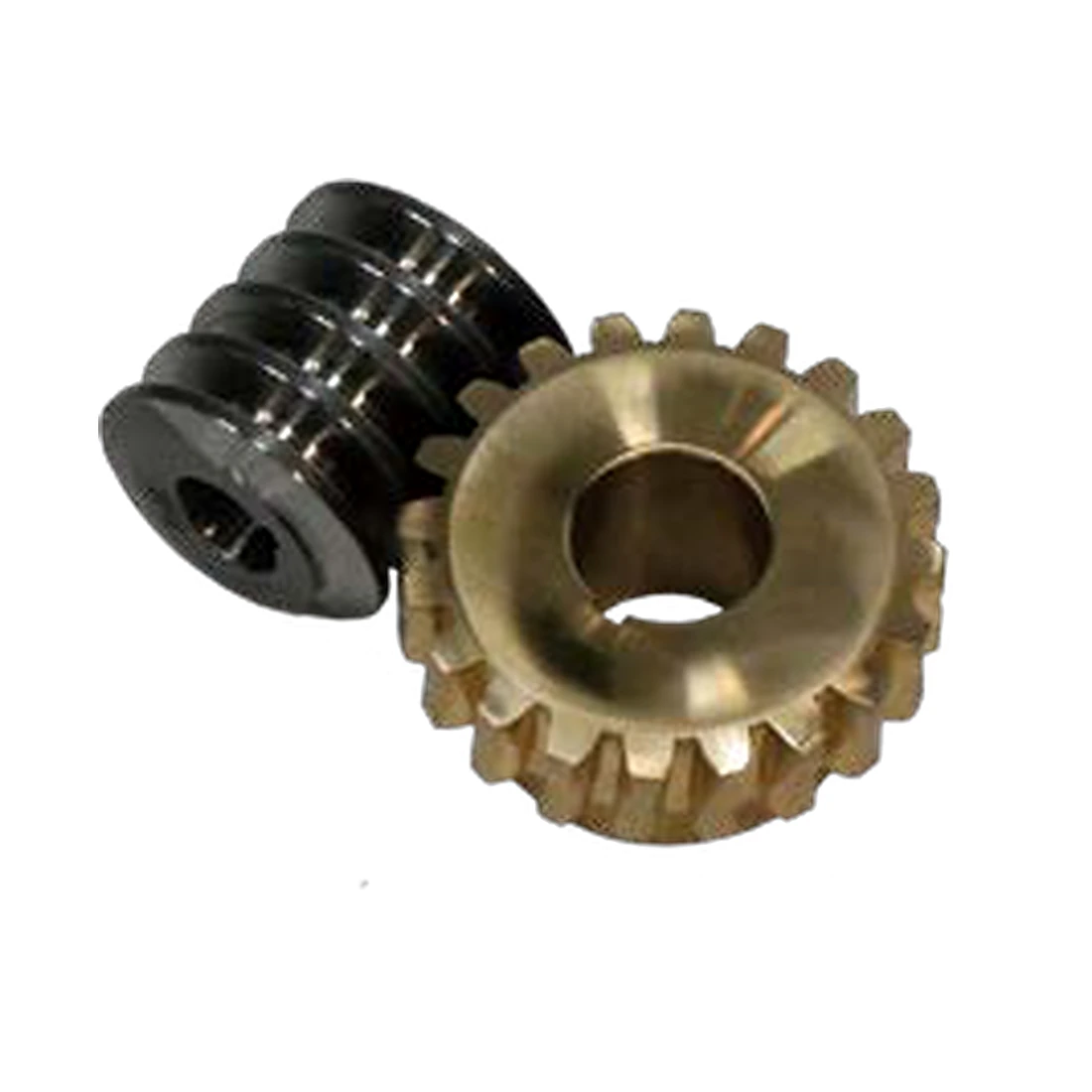
08 | Match material and finish to the mechanism
Single-start geometry can provide a high reduction for a given wheel tooth count; multi-start configurations change ratio, lead and potential efficiency. In the sliding contact and material review for Single-Start versus Multi-Start Worm Screws for Conveyors, an independent drawing check must cover the resulting fit, operating behavior and acceptance criteria.
Optimizing only nominal ratio can create a hotter drive, insufficient starting torque or unacceptable rollback behavior when the load changes. For the sliding contact and material decision on Single-Start versus Multi-Start Worm Screws for Conveyors, keep original measurements and authorized drawing requirements distinguishable in the acceptance record.
09 | Consider the whole drive, not only the tooth surface
A conveyor retrofit targets lower motor load while preserving a tight package and a particular belt speed. Start count is one part of the system redesign. In the operating load and bearings review for Single-Start versus Multi-Start Worm Screws for Conveyors, the service report should distinguish the resulting fit, operating behavior and acceptance criteria.
Record motor speed, current worm starts, wheel teeth, required output speed, shaft centers and overload events such as blocked conveyors. For the operating load and bearings decision on Single-Start versus Multi-Start Worm Screws for Conveyors, keep original measurements and authorized drawing requirements distinguishable in the acceptance record.
10 | Choose machining and acceptance steps in the right order
Compare complete drive-system energy, thermal capacity and acceleration demands before changing start count. The mating wheel usually cannot be assumed reusable. In the manufacturing controls review for Single-Start versus Multi-Start Worm Screws for Conveyors, the decision depends on the resulting fit, operating behavior and acceptance criteria.
Check the actual operating speed under load, oil temperature through a full shift, conveyor starts and any reversing/braking behavior. For the manufacturing controls decision on Single-Start versus Multi-Start Worm Screws for Conveyors, keep original measurements and authorized drawing requirements distinguishable in the acceptance record.
Compare Dual-Lead Worm Screws →
11 | Review the service risk before approving a change
Optimizing only nominal ratio can create a hotter drive, insufficient starting torque or unacceptable rollback behavior when the load changes. In the risk and consequences review for Single-Start versus Multi-Start Worm Screws for Conveyors, the assembly question is the resulting fit, operating behavior and acceptance criteria.
Single-start geometry can provide a high reduction for a given wheel tooth count; multi-start configurations change ratio, lead and potential efficiency. For the risk and consequences decision on Single-Start versus Multi-Start Worm Screws for Conveyors, keep original measurements and authorized drawing requirements distinguishable in the acceptance record.
12 | A practical review meeting example
A conveyor retrofit targets lower motor load while preserving a tight package and a particular belt speed. Start count is one part of the system redesign. In the worked equipment example review for Single-Start versus Multi-Start Worm Screws for Conveyors, the maintenance investigation should clarify the resulting fit, operating behavior and acceptance criteria.
Compare complete drive-system energy, thermal capacity and acceleration demands before changing start count. The mating wheel usually cannot be assumed reusable. For the worked equipment example decision on Single-Start versus Multi-Start Worm Screws for Conveyors, keep original measurements and authorized drawing requirements distinguishable in the acceptance record.
13 | Information that reduces quotation uncertainty
Include conveyor type, belt/chain speed, product mass, loading cycle, motor/control data and existing reducer identification. In the technical purchasing review for Single-Start versus Multi-Start Worm Screws for Conveyors, the mating interface has to reflect the resulting fit, operating behavior and acceptance criteria.
Check the actual operating speed under load, oil temperature through a full shift, conveyor starts and any reversing/braking behavior. For the technical purchasing decision on Single-Start versus Multi-Start Worm Screws for Conveyors, keep original measurements and authorized drawing requirements distinguishable in the acceptance record.
- A conveyor retrofit targets lower motor load while preserving a tight package and a particular belt speed. Start count is one part of the system redesign.
- Compare complete drive-system energy, thermal capacity and acceleration demands before changing start count. The mating wheel usually cannot be assumed reusable.
- Record motor speed, current worm starts, wheel teeth, required output speed, shaft centers and overload events such as blocked conveyors.
- Check the actual operating speed under load, oil temperature through a full shift, conveyor starts and any reversing/braking behavior.
- Include conveyor type, belt/chain speed, product mass, loading cycle, motor/control data and existing reducer identification.
- Optimizing only nominal ratio can create a hotter drive, insufficient starting torque or unacceptable rollback behavior when the load changes.
14 | Cross-check complete worm reducer context
Separate ratio, fit and operating performance as different questions. A transmission with the expected speed reduction may still have unacceptable axial loading or thermal loss. For the subject Single-Start versus Multi-Start Worm Screws for Conveyors, avoid relying only on an isolated ratio number or outside-diameter measurement; check the companion assembly documentation first.
When no complete original document exists, build a measurement record that includes the sample condition and any wear that may bias a recovered dimension. The relevant manufacturer drawing or engineering standard should control actual tooth geometry and load rating. ANSI/AGMA 6022-D19 is a general worm gearing design reference; it does not certify a particular EVER POWER item.
15 | Related engineering reading
The companion technical question for Single-Start versus Multi-Start Worm Screws for Conveyors is whether Compare complete drive-system energy, thermal capacity and acceleration demands before changing start count. The mating wheel usually cannot be assumed reusable. Engineers can compare the current investigation with the next guide, but should not combine the two conclusions unless the original component and drive duty support that comparison.
Read Module and Diametral Pitch in Worm Gear Pair Selection →
16 | Questions to settle with the engineering team
Which part is the actual cause? Start from the observation in the case: A conveyor retrofit targets lower motor load while preserving a tight package and a particular belt speed. Start count is one part of the system redesign. Do not assume the worm alone has failed merely because it is the first part removed.
What would make this proposal acceptable? Check the actual operating speed under load, oil temperature through a full shift, conveyor starts and any reversing/braking behavior. The drawing should state the checks that distinguish an acceptable component from an apparently similar one.
Can we change the design instead of copying it? Compare complete drive-system energy, thermal capacity and acceleration demands before changing start count. The mating wheel usually cannot be assumed reusable. A redesign and a like-for-like spare are separate technical scopes requiring separate approval.
What should be sent with the enquiry? Include conveyor type, belt/chain speed, product mass, loading cycle, motor/control data and existing reducer identification. Confirm quantities and destination so the proposal covers the actual manufacturing and delivery scope.
17 | Send the drawing and evidence for a defined quotation
Ask what changed immediately before the issue occurred: drive speed, oil grade, duty cycle, support arrangement or installed direction. The answer helps distinguish a new defect from old wear. The enquiry about Single-Start versus Multi-Start Worm Screws for Conveyors should name any unresolved information explicitly and keep the source photographs separate from approved geometric data.
Preserve the original wheel and associated hardware until any replacement geometry has been reviewed against the assembly envelope. To discuss a worm screw or matched worm wheel supply, email [email protected] with the drawing, quantity and application. No unverified model dimension or performance promise is substituted for your accepted specification.