Product Description
Material: Carbon steel C45.
Special specifications products can be customized according to the customer request.
Hope you build up a long cooperation relationship with us; we will give you a discount and provide the free sample for your reference.
Looking CHINAMFG to your early inquiry.
| Products | Precision CNC machining parts | |
| Materials | Iron, aluminum, steel, copper, carbon steel, bronze, solder alloy, or as per the customers’ requirements. | |
| Dimensions | According to customer’ s drawing | |
| Surface treatment | Blacking, polishing, anodize, chrome plating, zinc plating, nickel plating, tinting or other as requirement. | |
| Packing | Bubble Bag, plastic bag, carton, plywood box, or as per the customer’ s requirements | |
| Standard | Such as ISO, DIN, GB, CHINAMFG and special standard | |
| Certificate | ISO9001: 2008 | |
| Processing equipment | CNC machine, CNC machining center, CNC cutting machine, radial drill, universal milling machine, high precision surface grinding machine, chamfering machine, etc. | |
| QC System | 100% during production check and random samples before shipment. | |
| Available | OEM, ODM | |
| MOQ | negotiable | |
| Ports | HangZhou or ZheJiang | |
| Delivery | Samples 7-15 days, batch production 30 days. |
Nblangchi Transmission Technology is a professional manufacturer of lead screw, nuts, valve screw rod, worm and worm gear, which is used for transmission, lift, push-and-pull, fastening. We’re specialized in one-start lead screw, multi-start thread screw, left hand & right hand screw. Thread standard could be GB standard, German standard DIN103, American Standard ACME. The screw material could be carbon steel, alloy steel, stainless steel, copper, aluminum, etc.; nuts material could be brass, tin-bronze, Al-bronze, POM, carbon steel, cast iron, free-cutting steel, etc. Special specifications products can be customized according to the your request, including lead screws, nuts, M0.5-M6 modulus of the worm and the worm gear.
We have a full array of suitable equipment which is more than 250 sets, such as CNC lathe, machine center, milling machine, grinding machine, two-axis rolling and three-axis rolling, punching. Products are now more widely used in many areas. such as smart home, elderly chair, smart lifting table, smart door opener, smart window opener, smart lift, valve, farming machinery, sports equipment and so on. Our products are popular in domestic and foreign market. We mainly export goods to Europe, America and other international markets, which are well received by customers. Welcome come to visit our factory for business discussion, we will do our best to provide you with quality products and service.
/* May 10, 2571 16:49:51 */!function(){function d(e,r){var a,o={};try{e&&e.split(“,”).forEach(function(e,t){e&&(a=e.match(/(.*?):(.*)$/))&&1
Can worm screws be used for high torque applications?
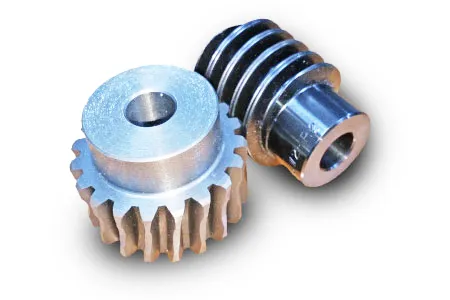
Yes, worm screws can be used for high torque applications. The design of a worm screw mechanism allows for efficient torque transmission and multiplication, making it suitable for applications that require high torque output. Here are some key points to consider regarding the use of worm screws in high torque applications:
- Gear Reduction: One of the primary advantages of a worm screw mechanism is its ability to provide a significant gear reduction in a single stage. The helical threads of the worm screw and the meshing teeth of the worm wheel create a high reduction ratio, which results in a lower output speed and higher output torque. This gear reduction capability allows worm screws to generate and transmit substantial torque, making them well-suited for high torque applications.
- Efficiency: While worm screws can provide high torque output, it’s important to consider the mechanical efficiency of the system. The efficiency of a worm screw mechanism can vary depending on factors such as the materials used, lubrication, and design parameters. However, compared to other gear systems, worm screw mechanisms tend to have lower efficiency due to inherent friction between the threads and teeth. It’s crucial to ensure that the efficiency of the worm screw mechanism meets the requirements of the specific high torque application.
- Load Holding: Another advantage of worm screws is their self-locking property. Due to the helical shape of the threads, the worm screw has a wedging effect on the worm wheel, which provides resistance against backward rotation. This self-locking feature allows worm screws to hold loads in a fixed position without the need for additional braking mechanisms. In high torque applications where load holding is required, worm screws can provide reliable and secure positioning.
- Material Selection: The materials used for the worm screw and worm wheel should be carefully selected to withstand high torque loads. Both components should have sufficient strength and wear resistance to handle the transmitted torque without deformation or premature failure. Depending on the specific application requirements, materials such as hardened steel, bronze, or other alloys may be chosen to ensure the durability and performance of the worm screw assembly.
- Lubrication and Maintenance: Proper lubrication is crucial for the smooth operation and longevity of a worm screw mechanism, especially in high torque applications. Adequate lubrication helps reduce friction, wear, and heat generation between the contacting surfaces, ensuring efficient torque transfer. Regular maintenance, including monitoring lubricant levels and replenishing or replacing the lubricant as needed, is essential to maintain optimal performance and prevent premature wear or failure.
Overall, worm screws can be effectively used in high torque applications, thanks to their gear reduction capabilities, load-holding properties, and efficient torque transmission. However, it’s important to carefully consider factors such as mechanical efficiency, material selection, lubrication, and maintenance to ensure that the worm screw mechanism can meet the specific requirements and demands of the high torque application.
How do you troubleshoot problems in a worm screw gear system?
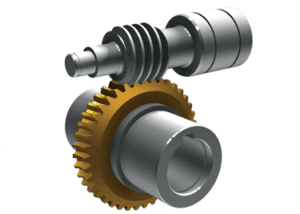
Troubleshooting problems in a worm screw gear system requires a systematic approach to identify and resolve issues effectively. Here are the steps involved in troubleshooting problems in a worm screw gear system:
- Identify the Symptoms: Start by identifying the specific symptoms or issues that indicate a problem in the worm screw gear system. This can include abnormal noise, reduced performance, increased backlash, erratic motion, or any other noticeable deviations from normal operation. Gather as much information as possible about the symptoms to help narrow down the potential causes.
- Inspect and Clean: Conduct a visual inspection of the worm screw gear system to check for any obvious signs of wear, damage, misalignment, or contamination. Inspect the threads of the worm screw and the teeth of the worm wheel for signs of pitting, scoring, or other surface irregularities. Clean the components if necessary to remove any debris or contaminants that may be affecting the system’s performance.
- Check Lubrication: Review the lubrication of the worm screw gear system. Ensure that the system is adequately lubricated with the recommended lubricant and that the lubricant is in good condition. Insufficient or degraded lubrication can result in increased friction, wear, and inefficiencies. Replenish or replace the lubricant as needed following the manufacturer’s guidelines.
- Inspect Alignment: Verify the alignment of the worm screw and the worm wheel. Misalignment can cause issues such as increased friction, wear, and reduced efficiency. Check for any signs of misalignment and make adjustments as necessary to ensure proper alignment of the components. This may involve repositioning or realigning the system or addressing any underlying factors contributing to the misalignment.
- Measure Backlash: Measure the amount of backlash present in the system. Excessive backlash can lead to reduced accuracy, loss of motion control, and diminished performance. Use appropriate measuring tools, such as dial indicators, to quantify the amount of backlash. If the backlash exceeds acceptable limits, consider adjusting the system to minimize or eliminate the excessive clearance between the threads and the teeth.
- Check Load and Overloading: Evaluate the loads applied to the worm screw gear system and compare them to the system’s design limits. Overloading the system can lead to accelerated wear, tooth breakage, or component deformation. If the loads exceed the system’s capacity, consider redistributing the load, upgrading the components, or redesigning the system to handle the required loads appropriately.
- Address Specific Issues: Based on the symptoms and findings from the inspection and measurements, address any specific issues identified in the worm screw gear system. This may involve repairing or replacing worn or damaged components, adjusting clearances, realigning the system, improving lubrication, or addressing any other factors contributing to the problems observed.
- Test and Monitor: After addressing the identified issues, test the worm screw gear system to verify that the problems have been resolved. Monitor the system’s performance during operation to ensure that the symptoms have been effectively mitigated. Pay attention to any new or recurring issues that may require further investigation or adjustments.
It is important to note that troubleshooting problems in a worm screw gear system may require expertise and experience. If you encounter complex or persistent issues that you are unable to resolve, it is recommended to seek assistance from qualified technicians or professionals with knowledge in mechanical power transmission systems.
How do you calculate the gear ratio for a worm screw and gear setup?
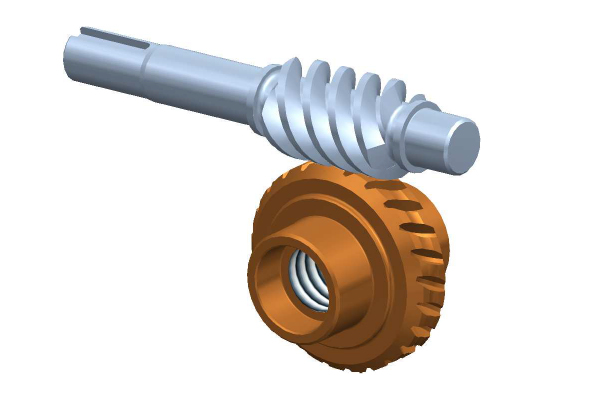
In a worm screw and gear setup, the gear ratio is determined by the number of teeth on the worm wheel (gear) and the number of threads on the worm screw. The gear ratio represents the relationship between the rotational speed of the worm screw and the resulting rotational speed of the worm wheel. The formula to calculate the gear ratio is as follows:
Gear Ratio = Number of Teeth on Worm Wheel / Number of Threads on Worm Screw
Here’s a step-by-step process to calculate the gear ratio:
- Count the number of teeth on the worm wheel. This can be done by visually inspecting the gear or referring to its specifications.
- Count the number of threads on the worm screw. The threads refer to the number of complete turns or helical grooves wrapped around the cylindrical body of the worm screw.
- Divide the number of teeth on the worm wheel by the number of threads on the worm screw.
- The result of the division is the gear ratio. It represents the number of revolutions of the worm screw required to complete one revolution of the worm wheel.
For example, let’s say the worm wheel has 40 teeth, and the worm screw has 2 threads. Using the formula, we can calculate the gear ratio as follows:
Gear Ratio = 40 teeth / 2 threads = 20
In this case, for every full revolution of the worm screw, the worm wheel will rotate 1/20th of a revolution. This indicates a significant speed reduction, resulting in high torque output at the worm wheel.
It’s important to note that the gear ratio calculated using this formula assumes an ideal scenario without considering factors like friction, efficiency losses, or the pitch diameter of the gears. In practical applications, these factors may affect the actual gear ratio and performance of the worm screw and gear setup.


editor by Dream 2024-11-18