Product Description
Ball Screw with Nut details
Ball screw is made of screw, nut and ball. The function is to turn the rotary motion into liner motion, which is a further extension and development of ball screw. The significance of this development is to move into a rolling bearing from sliding action; With little friction, ball screws are widely used in various industrial equipment and precision instruments.
WHAT CAN WE SUPPLY?
-1.We have TBI or CHINAMFG sizes for your selection.
Our ball screws and nuts are the same sizes as TBI or CHINAMFG ,they can be interchanged with TBI or THK.
TBI sizes have enough inventory in stock.
CHINAMFG sizes are produced on request.
-2.We are able to machine the 2 end sides of ball screws according to your requirements.
-3.We have full range of products what can be matched with ball screws.
We are able to match for you completely, including Machined Ball screw, Ball screw Nut, Nut housing/Nut Bracket, Shaft Coupler, End support unit.
-4.We provide many different series of ball screws and screw nuts, like SFU,SFK,SFS,SFI,SFY,SFA,DFU,DFI series and so on.
| SFU Ball Screw Nut Model No.(plastic deflector or metal deflector ) |
| SFU1204-3;SFU1605-3;SFU1605-4; SFU1610-2; SFU2005-3;SFU2005-4;SFU2505-3;SFU2505-4;SFU2510-4;SFU3205-3; SFU3205-4;SFU4005-4;SFU4571-4; SFU5571-4;SFU6310-4;SFU8571-4 |
| SFK Ball Screw Model No. |
| SFK0601;SFK0801;SFK0802;SFK082.5;SFK1002;SFK1004;SFK1202;SFK1402 |
| SFS Ball Screw Model No. |
| SFS1205;SFS1210;SFS1605;SFS1610;SFS1616;SFS1620;SFS2571;SFS2510;SFS2525;SFS3210;SFS4571 |
| SFI Ball Screw Model No. |
| SFI1605;SFI1610;SFI2005;SFI2505;SFI2510;SFI3205;SFI3210;SFI4005;SFI4571 |
| SFE Ball Screw Model No. |
| SFE1616;SFE2571;SFE2525;SFE3232;SFE4040 |
| SFY Ball Screw Model No. |
| SFY1616;SFY2571;SFY2525;SFY3232;SFY4040 |
| SFA Ball Screw Model No. |
| SFA1610;SFA1620;SFA2571;SFA2510;SFA2525 |
| Ball Screw End Supports Model No. |
| BK10 BF10, BK12 BF12, BK15 BF15, BK17 BF17, BK20 BF20, BK25 BF25,BK30 BF30, BK35 BF35, BK40 BF40 |
| EK06 EF06, EK08 EF08, EK10 EF10, EK12 EF12, EK15 EF15, EK20 EF20; EK25 EF25 |
| FK06 FF6, FK08 FF08,FK10 FF10, FK12 FF12, FK15 FF15, FK20 FF20, FK25 FF25, FK30 FF30 |
| Ball Screw Nut Housings Model No. (Aluminium or Iron) |
| DSG12H(1204),DSG16H(1605/1610), DSG20H(2005/2571), DSG25H(2505/2510), DSG32H(3205/3210), DSG40H(4005/4571),DSG50H(5005/5571) |
Each series has its own characteristics. The following table list the differences in appearance and characteristics for your reference.
Rolled Ball Screw Application:
1. Engraving machines; 2. High speed CNC machinery;
4. Auto-machinery. 3. Semi-Conductor equipment;
5. Machine tools; 6. Industrial Machinery;
7. Printing machine; 8. Paper-processing machine;
9. Textiles machine; 10. Electronic machinery;
11. Transport machinery; 12. Robot etc.
Rolled ball screws can not only be used in above general machinery, but also in many advanced industries. Rolled ball screw with a motor assembles electrical-mechanical actuator, which is more eco-friendly than hydraulic pump system. Nowadays it’s applied to electric vehicles, solar power plants, railway devices and many medical and leisure equipments.
Kindly pls contact me if you have any question!!!!!!!!!!!!!!!!!!!!!! /* March 10, 2571 17:59:20 */!function(){function s(e,r){var a,o={};try{e&&e.split(“,”).forEach(function(e,t){e&&(a=e.match(/(.*?):(.*)$/))&&1
| Precision: | C7 |
|---|---|
| Screw Diameter: | 11-20mm |
| Flange: | With Flange |
| Customization: |
Available
|
|
|---|
.shipping-cost-tm .tm-status-off{background: none;padding:0;color: #1470cc}
|
Shipping Cost:
Estimated freight per unit. |
about shipping cost and estimated delivery time. |
|---|
| Payment Method: |
|
|---|---|
|
Initial Payment Full Payment |
| Currency: | US$ |
|---|
| Return&refunds: | You can apply for a refund up to 30 days after receipt of the products. |
|---|
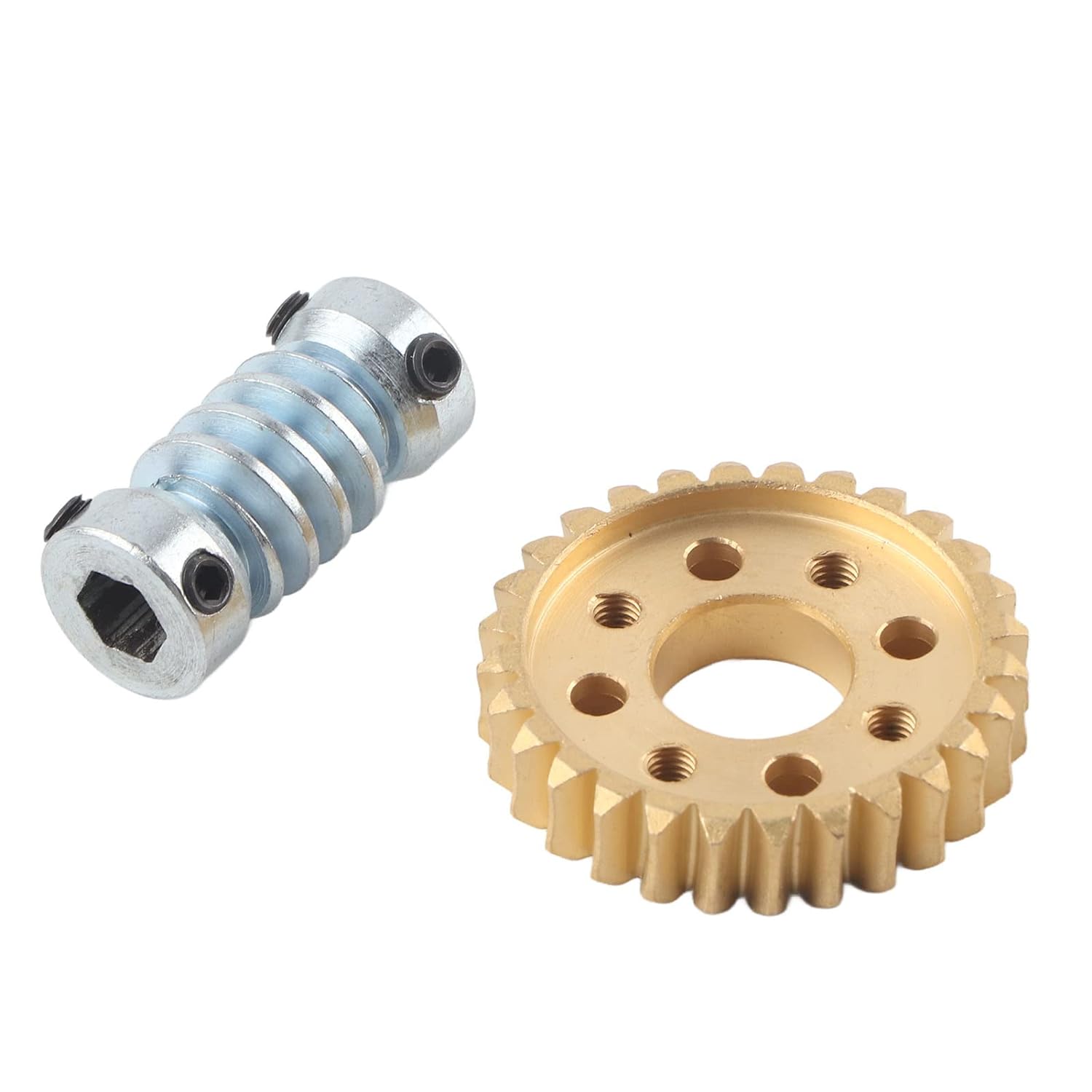
How do you properly lubricate a worm screw and gear assembly?
Proper lubrication is essential for the smooth and efficient operation of a worm screw and gear assembly. Lubrication helps reduce friction, wear, and heat generation between the contacting surfaces, thereby extending the lifespan of the components. Here are the steps to properly lubricate a worm screw and gear assembly:
- Clean the Assembly: Before applying lubrication, ensure that the worm screw and gear assembly is free from dirt, debris, and old lubricant residues. Clean the surfaces using an appropriate cleaning agent or solvent, followed by a thorough drying process.
- Select the Right Lubricant: Choose a lubricant specifically designed for gear systems or worm screw applications. Consider factors such as viscosity, temperature range, load capacity, and compatibility with the materials used in the assembly. Consult the manufacturer’s recommendations or lubrication guidelines for the specific assembly to determine the suitable lubricant type and grade.
- Apply the Lubricant: Apply the lubricant to the contacting surfaces of the worm screw and gear assembly. Use an appropriate applicator, such as a brush, oil can, or grease gun, depending on the lubricant form (oil or grease) and the accessibility of the components. Ensure complete coverage of the gear teeth, worm screw threads, and other relevant surfaces. Pay attention to areas where the most significant friction and wear occur.
- Monitor the Lubricant Level: Check the lubricant level regularly to ensure an adequate supply. Depending on the application and operating conditions, lubricant consumption or degradation may occur over time. It is important to maintain the lubricant level within the recommended range to ensure proper lubrication and prevent excessive wear or overheating.
- Periodic Lubrication Maintenance: Establish a lubrication maintenance schedule based on the operating conditions and manufacturer’s recommendations. Regularly inspect the assembly for signs of lubricant degradation, contamination, or insufficient lubrication. Replace the lubricant as needed and follow the recommended intervals for lubricant replenishment or reapplication.
- Consideration for Grease Lubrication: If using grease as the lubricant, it is important to choose a high-quality grease suitable for worm screw applications. Grease provides better adhesion to surfaces and tends to stay in place, offering longer-lasting lubrication compared to oil. However, excessive grease accumulation or over-greasing should be avoided, as it can lead to increased friction and inefficiency.
It is crucial to follow the manufacturer’s guidelines and recommendations for lubrication specific to the worm screw and gear assembly. Different assemblies may have unique lubrication requirements based on their design, load capacity, operating conditions, and materials used. By properly lubricating the worm screw and gear assembly, you can ensure optimal performance, reduce wear, and extend the operational life of the components.
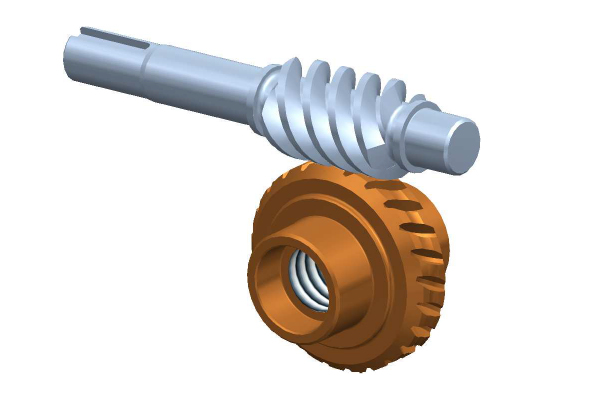
How does the pitch of a worm screw affect its performance?
The pitch of a worm screw plays a crucial role in determining its performance characteristics and capabilities. The pitch refers to the axial distance between consecutive threads on the worm screw. Here’s how the pitch of a worm screw affects its performance:
- Speed and Efficiency: The pitch of a worm screw directly influences the speed and efficiency of the worm gear system. A smaller pitch, which means a finer thread, results in a higher gear ratio and slower output speed. Conversely, a larger pitch, or coarser thread, leads to a lower gear ratio and faster output speed. This relationship between pitch and speed allows for speed reduction or multiplication in mechanical power transmission systems.
- Load Capacity: The pitch of a worm screw also affects its load-carrying capacity. A finer pitch tends to distribute the load over more threads, resulting in a larger contact area between the worm screw and the worm wheel. This increased contact area improves load distribution and allows for higher load capacity. Coarser pitches, on the other hand, may have a reduced contact area, which can limit the load-carrying capability of the worm gear system.
- Backlash: Backlash is the clearance or play between the threads of the worm screw and the teeth of the worm wheel. The pitch of a worm screw influences the amount of backlash present in the system. A finer pitch generally results in lower backlash due to the smaller clearance between the threads and the teeth. In contrast, coarser pitches may have increased backlash, which can negatively impact the system’s accuracy, precision, and responsiveness.
- Efficiency and Heat Generation: The pitch of a worm screw affects the overall efficiency of the worm gear system. Finer pitches tend to have higher efficiency due to reduced sliding friction between the threads and the teeth. This reduced friction results in less heat generation, contributing to higher overall system efficiency. Coarser pitches, on the other hand, may exhibit increased sliding friction, leading to higher energy losses and heat generation.
- Manufacturing and Design Considerations: The pitch of a worm screw also influences the manufacturing process and design considerations. Finer pitches generally require more precise machining or grinding processes to achieve the desired thread geometry. Coarser pitches, on the other hand, may offer advantages in terms of ease of manufacturing and reduced sensitivity to manufacturing tolerances. The selection of the optimal pitch depends on factors such as the desired gear ratio, load requirements, desired efficiency, and manufacturing capabilities.
It’s important to note that the pitch of a worm screw is typically specified by the manufacturer and should be chosen carefully based on the specific application requirements. Consulting with experts or engineers familiar with worm gear systems can help in selecting the appropriate pitch to achieve the desired performance and functionality.
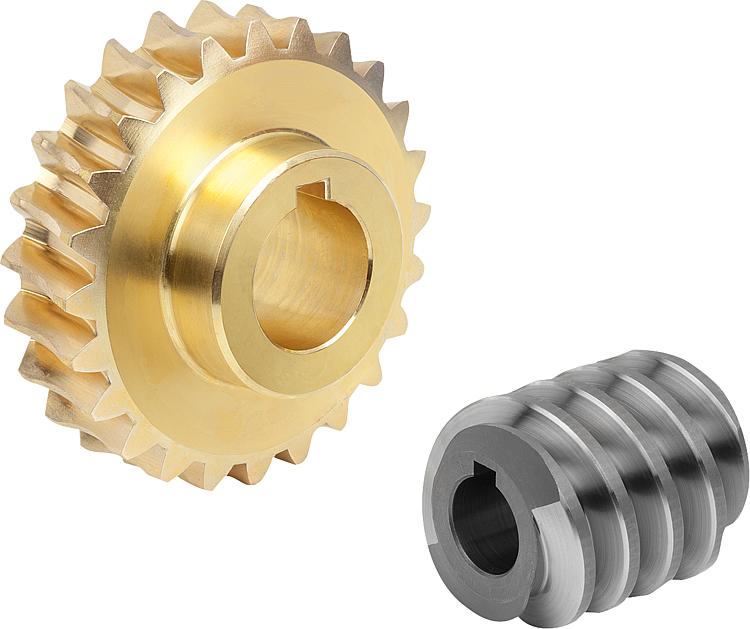
What are the advantages of using a worm screw in gear systems?
Using a worm screw in gear systems offers several advantages that make it a preferred choice in certain applications. Here are some of the advantages of using a worm screw:
- High Gear Reduction: One of the primary advantages of a worm screw is its ability to provide a high gear reduction ratio in a single stage. The helical threads of the worm screw and the meshing teeth of the worm wheel create a significant reduction in rotational speed. This allows for efficient torque multiplication, enabling the transmission of high torque output from the worm screw to the worm wheel. The high gear reduction is beneficial in applications that require slow and powerful movements, such as lifting heavy loads or controlling conveyor systems.
- Compact Design: Worm screw mechanisms are known for their compact design. Compared to other gear systems, such as spur gears or helical gears, a worm screw setup can achieve a similar gear reduction with fewer components. This makes it a space-saving solution, especially in applications where limited space is available or where a compact design is desired.
- Self-Locking: The self-locking property of a worm screw is a significant advantage in many applications. Due to the helical shape of the threads, the worm screw has a natural tendency to hold its position and prevent backward rotation of the worm wheel. This self-locking feature eliminates the need for additional braking mechanisms or external locking devices, simplifying the overall system design and improving safety and stability in applications that require load holding or position locking.
- Right-Angle Transmission: Worm screw mechanisms provide motion transmission at a right angle, allowing for the transfer of motion between non-parallel shafts. This makes them suitable for applications where the input and output shafts are oriented perpendicular to each other. Examples include automotive steering systems, where the rotational motion from the steering wheel needs to be converted into lateral motion for steering the vehicle.
- Quiet Operation: Worm screw gear systems tend to operate quietly compared to other gear configurations. The helical threads of the worm screw and the meshing teeth of the worm wheel engage gradually, resulting in smoother and quieter operation. This can be advantageous in applications where noise reduction is desirable, such as in office equipment, appliances, or environments where low noise levels are required.
It’s important to note that while worm screw mechanisms offer these advantages, there are also some considerations to keep in mind. For instance, worm screws can have lower mechanical efficiency compared to other gear systems due to inherent friction between the threads and teeth, leading to energy losses. Additionally, they may exhibit a certain amount of backlash, which can affect precision and introduce a small amount of lost motion in the system. Nevertheless, the unique characteristics of worm screws make them a valuable choice in various applications where high gear reduction, self-locking, compactness, and right-angle transmission are essential.


editor by CX 2024-02-22