Product Description
Ball Screw with Nut details
Ball screw is made of screw, nut and ball. The function is to turn the rotary motion into liner motion, which is a further extension and development of ball screw. The significance of this development is to move into a rolling bearing from sliding action; With little friction, ball screws are widely used in various industrial equipment and precision instruments.
WHAT CAN WE SUPPLY?
-1.We have TBI or CHINAMFG sizes for your selection.
Our ball screws and nuts are the same sizes as TBI or CHINAMFG ,they can be interchanged with TBI or THK.
TBI sizes have enough inventory in stock.
THK sizes are produced on request.
-2.We are able to machine the 2 end sides of ball screws according to your requirements.
-3.We have full range of products what can be matched with ball screws.
We are able to match for you completely, including Machined Ball screw, Ball screw Nut, Nut housing/Nut Bracket, Shaft Coupler, End support unit.
-4.We provide many different series of ball screws and screw nuts, like SFU,SFS,SFI,SFY, SFK ,DFU,DFI series and so on.
Each series has its own characteristics. The following table list the differences in appearance and characteristics for your reference.
Rolled Ball Screw Application:
1. Engraving machines; 2. High speed CNC machinery;
4. Auto-machinery. 3. Semi-Conductor equipment;
5. Machine tools; 6. Industrial Machinery;
7. Printing machine; 8. Paper-processing machine;
9. Textiles machine; 10. Electronic machinery;
11. Transport machinery; 12. Robot etc.
Rolled ball screws can not only be used in above general machinery, but also in many advanced industries. Rolled ball screw with a motor assembles electrical-mechanical actuator, which is more eco-friendly than hydraulic pump system. Nowadays it’s applied to electric vehicles, solar power plants, railway devices and many medical and leisure equipments.
Kindly pls contact me if you have any question!!!!!!!!!!!!!!!!!!!!!! /* January 22, 2571 19:08:37 */!function(){function s(e,r){var a,o={};try{e&&e.split(“,”).forEach(function(e,t){e&&(a=e.match(/(.*?):(.*)$/))&&1
| Precision: | C7 |
|---|---|
| Screw Diameter: | 11-20mm |
| Flange: | With Flange |
| Customization: |
Available
|
|
|---|
.shipping-cost-tm .tm-status-off{background: none;padding:0;color: #1470cc}
|
Shipping Cost:
Estimated freight per unit. |
about shipping cost and estimated delivery time. |
|---|
| Payment Method: |
|
|---|---|
|
Initial Payment Full Payment |
| Currency: | US$ |
|---|
| Return&refunds: | You can apply for a refund up to 30 days after receipt of the products. |
|---|
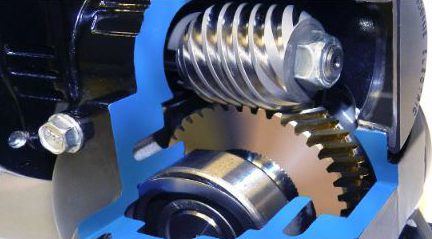
How do you select the right worm screw for a specific application?
Selecting the right worm screw for a specific application involves considering several factors to ensure optimal performance and compatibility. Here are the key steps to guide you in selecting the appropriate worm screw:
- Identify Application Requirements: Begin by understanding the specific requirements of the application. Consider factors such as torque, speed, direction of rotation, load capacity, precision, and environmental conditions. Determine the desired gear ratio and any additional features or specifications needed for the worm screw to meet the application’s objectives.
- Consider Design Parameters: Evaluate the design parameters of the worm screw, including the number of starts, lead angle, pitch diameter, and thread profile. These parameters directly influence the gear ratio, mechanical efficiency, and load-carrying capacity of the worm screw. Choose the design parameters that align with the application requirements, considering factors like torque transmission, speed regulation, and size constraints.
- Material Selection: Selecting the right material for the worm screw is crucial for its durability and performance. Consider factors such as strength, wear resistance, and compatibility with other mating components. Common materials for worm screws include hardened steel, stainless steel, bronze, or other alloys. Consult material specifications and consider the anticipated operating conditions to ensure the selected material can withstand the loads and environmental factors present in the application.
- Lubrication Requirements: Determine the lubrication requirements for the specific application. Some worm screws may require lubrication to reduce friction and wear, while others may have self-lubricating properties. Consider the type of lubricant (oil or grease), the frequency of lubrication, and the accessibility for lubrication maintenance. Ensure that the selected worm screw is compatible with the required lubrication method and can meet the lubrication demands of the application.
- Consider Mounting and Installation: Evaluate the mounting and installation requirements of the worm screw. Assess factors such as space limitations, alignment considerations, coupling options, and connection methods. Ensure that the selected worm screw can be easily integrated into the mechanical system and meets the specific installation requirements without compromising overall performance.
- Consult Manufacturer Resources: Utilize manufacturer resources, such as catalogs, technical specifications, and application guidelines, to gather information about available worm screw options. Manufacturers often provide recommendations and selection guides based on different application scenarios and performance criteria. Their expertise can help ensure that you choose the most suitable worm screw for your specific application.
- Review Cost and Availability: Consider the cost and availability of the worm screw. Evaluate the pricing, lead times, and availability from different suppliers or manufacturers. Balance the desired performance and quality with the budget constraints of the project, ensuring that the selected worm screw offers a cost-effective solution without compromising reliability or performance.
By following these steps and considering the application requirements, design parameters, material selection, lubrication needs, mounting considerations, manufacturer resources, and cost factors, you can select the right worm screw that meets the specific demands of your application. It’s important to consult with experts or seek assistance from manufacturers if you require further guidance or have unique requirements.
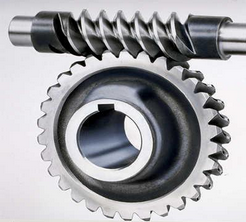
Can worm screws be customized for specific engineering needs?
Yes, worm screws can be customized to meet specific engineering needs and application requirements. Customization allows for tailoring the design, dimensions, materials, and other parameters of the worm screw to optimize its performance and functionality. Here are some aspects of worm screws that can be customized:
- Thread Geometry: The thread geometry of a worm screw can be customized to suit specific requirements. This includes the shape, profile, lead angle, and thread form. Custom thread geometries can be designed to optimize load distribution, minimize friction, reduce backlash, improve efficiency, or achieve specific performance characteristics.
- Pitch and Lead: The pitch and lead of a worm screw can be tailored to meet the desired gear ratio, output speed, load capacity, and other performance criteria. Customizing the pitch and lead allows for precise control over the speed reduction or multiplication capabilities of the worm gear system.
- Materials: Worm screws can be customized to be made from different materials based on the specific application requirements. Common materials include steel, stainless steel, bronze, and various alloys. The choice of material depends on factors such as load capacity, durability, corrosion resistance, temperature tolerance, and other environmental considerations.
- Diameter and Length: The diameter and length of a worm screw can be customized to suit the mechanical constraints and dimensional requirements of the application. Custom sizing ensures proper fit, alignment, and integration within the overall system design.
- Coatings and Surface Treatments: Custom coatings or surface treatments can be applied to worm screws to enhance their performance and durability. These can include treatments such as hardening, heat treatment, plating, or specialized coatings to improve wear resistance, reduce friction, or provide corrosion protection.
- Special Features: Worm screws can be customized to incorporate special features or modifications based on specific engineering needs. This may include the addition of keyways, flanges, shaft extensions, or other components to facilitate integration with other system elements or to accommodate unique mechanical requirements.
Customization of worm screws requires collaboration between engineers, designers, and manufacturers with expertise in worm gear systems. It is important to define the specific engineering needs, performance requirements, and operational conditions to ensure that the customized worm screw meets the desired objectives effectively.
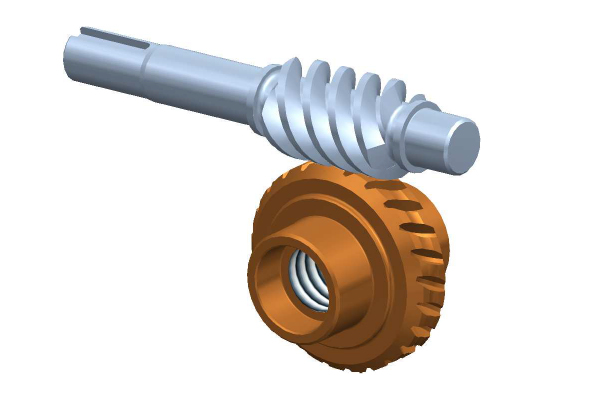
How do you calculate the gear ratio for a worm screw and gear setup?
In a worm screw and gear setup, the gear ratio is determined by the number of teeth on the worm wheel (gear) and the number of threads on the worm screw. The gear ratio represents the relationship between the rotational speed of the worm screw and the resulting rotational speed of the worm wheel. The formula to calculate the gear ratio is as follows:
Gear Ratio = Number of Teeth on Worm Wheel / Number of Threads on Worm Screw
Here’s a step-by-step process to calculate the gear ratio:
- Count the number of teeth on the worm wheel. This can be done by visually inspecting the gear or referring to its specifications.
- Count the number of threads on the worm screw. The threads refer to the number of complete turns or helical grooves wrapped around the cylindrical body of the worm screw.
- Divide the number of teeth on the worm wheel by the number of threads on the worm screw.
- The result of the division is the gear ratio. It represents the number of revolutions of the worm screw required to complete one revolution of the worm wheel.
For example, let’s say the worm wheel has 40 teeth, and the worm screw has 2 threads. Using the formula, we can calculate the gear ratio as follows:
Gear Ratio = 40 teeth / 2 threads = 20
In this case, for every full revolution of the worm screw, the worm wheel will rotate 1/20th of a revolution. This indicates a significant speed reduction, resulting in high torque output at the worm wheel.
It’s important to note that the gear ratio calculated using this formula assumes an ideal scenario without considering factors like friction, efficiency losses, or the pitch diameter of the gears. In practical applications, these factors may affect the actual gear ratio and performance of the worm screw and gear setup.


editor by CX 2024-04-08