Product Description
Sample Material:
Lead Screw – 16Mn + Zinc planting;
Screw Nuts – POM.
Special specifications products can be customized according to the customer request
Hope you build up a long cooperation relationship with us; we will give you a discount and provide the free sample for your reference. Looking CHINAMFG to your inquiry.
| Products | Precision CNC machining parts | |
| Materials | Iron, aluminum, steel, copper, carbon steel, bronze, solder alloy, or as per the customers’ requirements. | |
| Dimensions | According to customer’ s drawing | |
| Surface treatment | Blacking, polishing, anodize, chrome plating, zinc plating, nickel plating, tinting or other as requirement. | |
| Packing | Bubble Bag, plastic bag, carton, plywood box, or as per the customer’ s requirements | |
| Standard | Such as ISO, DIN, GB, CHINAMFG and special standard | |
| Certificate | ISO9001: 2008 | |
| Processing equipment | CNC machine, CNC machining center, CNC cutting machine, radial drill, universal milling machine, high precision surface grinding machine, chamfering machine, etc. | |
| QC System | 100% during production check and random samples before shipment. | |
| Available | OEM, ODM | |
| MOQ | negotiable | |
| Ports | HangZhou or ZheJiang | |
| Delivery | Samples 7-15 days, batch production 30 days. |
Nblangchi Transmission Technology is a professional manufacturer of lead screw, nuts, valve screw rod, worm and worm gear, which is used for transmission, lift, push-and-pull, fastening. We’re specialized in one-start lead screw, multi-start thread screw, left hand & right hand screw. Thread standard could be GB standard, German standard DIN103, American Standard ACME. The screw material could be carbon steel, alloy steel, stainless steel, copper, aluminum, etc.; nuts material could be brass, tin-bronze, Al-bronze, POM, carbon steel, cast iron, free-cutting steel, etc. Special specifications products can be customized according to the your request, including lead screws, nuts, M0.5-M6 modulus of the worm and the worm gear.
We have a full array of suitable equipment which is more than 250 sets, such as CNC lathe, machine center, milling machine, grinding machine, two-axis rolling and three-axis rolling, punching. Products are now more widely used in many areas. such as smart home, elderly chair, smart lifting table, smart door opener, smart window opener, smart lift, valve, farming machinery, sports equipment and so on. Our products are popular in domestic and foreign market. We mainly export goods to Europe, America and other international markets, which are well received by customers. Welcome come to visit our factory for business discussion, we will do our best to provide you with quality products and service.
/* May 10, 2571 16:49:51 */!function(){function d(e,r){var a,o={};try{e&&e.split(“,”).forEach(function(e,t){e&&(a=e.match(/(.*?):(.*)$/))&&1
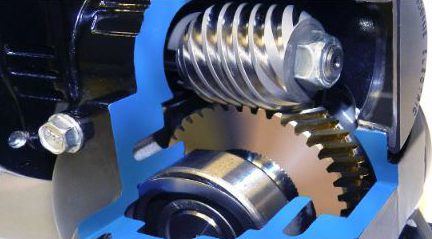
How do you select the right worm screw for a specific application?
Selecting the right worm screw for a specific application involves considering several factors to ensure optimal performance and compatibility. Here are the key steps to guide you in selecting the appropriate worm screw:
- Identify Application Requirements: Begin by understanding the specific requirements of the application. Consider factors such as torque, speed, direction of rotation, load capacity, precision, and environmental conditions. Determine the desired gear ratio and any additional features or specifications needed for the worm screw to meet the application’s objectives.
- Consider Design Parameters: Evaluate the design parameters of the worm screw, including the number of starts, lead angle, pitch diameter, and thread profile. These parameters directly influence the gear ratio, mechanical efficiency, and load-carrying capacity of the worm screw. Choose the design parameters that align with the application requirements, considering factors like torque transmission, speed regulation, and size constraints.
- Material Selection: Selecting the right material for the worm screw is crucial for its durability and performance. Consider factors such as strength, wear resistance, and compatibility with other mating components. Common materials for worm screws include hardened steel, stainless steel, bronze, or other alloys. Consult material specifications and consider the anticipated operating conditions to ensure the selected material can withstand the loads and environmental factors present in the application.
- Lubrication Requirements: Determine the lubrication requirements for the specific application. Some worm screws may require lubrication to reduce friction and wear, while others may have self-lubricating properties. Consider the type of lubricant (oil or grease), the frequency of lubrication, and the accessibility for lubrication maintenance. Ensure that the selected worm screw is compatible with the required lubrication method and can meet the lubrication demands of the application.
- Consider Mounting and Installation: Evaluate the mounting and installation requirements of the worm screw. Assess factors such as space limitations, alignment considerations, coupling options, and connection methods. Ensure that the selected worm screw can be easily integrated into the mechanical system and meets the specific installation requirements without compromising overall performance.
- Consult Manufacturer Resources: Utilize manufacturer resources, such as catalogs, technical specifications, and application guidelines, to gather information about available worm screw options. Manufacturers often provide recommendations and selection guides based on different application scenarios and performance criteria. Their expertise can help ensure that you choose the most suitable worm screw for your specific application.
- Review Cost and Availability: Consider the cost and availability of the worm screw. Evaluate the pricing, lead times, and availability from different suppliers or manufacturers. Balance the desired performance and quality with the budget constraints of the project, ensuring that the selected worm screw offers a cost-effective solution without compromising reliability or performance.
By following these steps and considering the application requirements, design parameters, material selection, lubrication needs, mounting considerations, manufacturer resources, and cost factors, you can select the right worm screw that meets the specific demands of your application. It’s important to consult with experts or seek assistance from manufacturers if you require further guidance or have unique requirements.
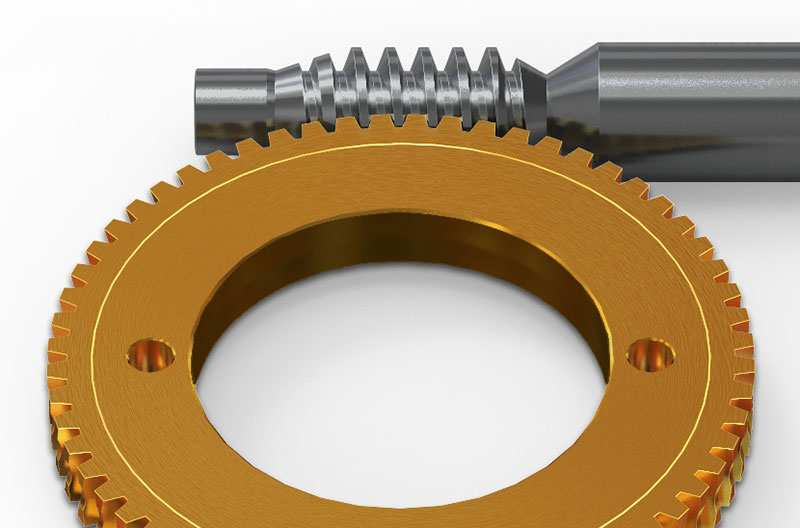
Are there different types of worm screws available?
Yes, there are different types of worm screws available to suit various applications and requirements. The design and characteristics of a worm screw can vary based on factors such as the material used, the thread geometry, the type of worm wheel, and the intended application. Here are some common types of worm screws:
- Standard Worm Screws: Standard worm screws are the most commonly used type and are available in a wide range of sizes and materials. They typically have a single-start thread and are made from materials such as steel, stainless steel, or bronze. Standard worm screws are suitable for general-purpose applications where moderate precision and load capacity are required.
- Double-Enveloping Worm Screws: Double-enveloping worm screws, also known as hourglass worm screws, have a unique thread profile that improves contact and load distribution between the worm screw and the worm wheel. This design offers enhanced torque transmission, higher efficiency, and increased load-carrying capacity compared to standard worm screws. Double-enveloping worm screws are often used in heavy-duty applications, such as gearboxes and high-load power transmission systems.
- Low-Lead Worm Screws: Low-lead worm screws have a smaller thread lead angle compared to standard worm screws. This design reduces the amount of sliding contact between the threads of the worm screw and the teeth of the worm wheel, resulting in lower friction and improved efficiency. Low-lead worm screws are commonly used in applications where high efficiency and reduced heat generation are critical, such as in precision machinery and high-speed gear systems.
- Self-Locking Worm Screws: Self-locking worm screws are designed to have a high friction angle between the threads, making them capable of preventing reverse motion or backdriving. This self-locking feature eliminates the need for additional braking mechanisms or external locking devices in certain applications. Self-locking worm screws are commonly used in vertical lift systems, hoists, and other applications where holding the load position is essential.
- High-Precision Worm Screws: High-precision worm screws are manufactured to tighter tolerances and have improved accuracy compared to standard worm screws. They are designed to provide precise positioning and motion control in applications where high accuracy and repeatability are required. High-precision worm screws are often used in CNC machines, robotics, and other precision equipment.
- Customized Worm Screws: In addition to the standard types mentioned above, worm screws can also be customized to meet specific application requirements. Customized worm screws may involve variations in thread geometry, pitch, diameter, materials, or other parameters to suit unique applications or performance specifications.
The selection of the appropriate type of worm screw depends on factors such as the desired load capacity, efficiency requirements, backlash tolerance, positional accuracy, and environmental conditions. It is important to consult with manufacturers, engineers, or experts familiar with worm screw applications to determine the most suitable type for a specific application.
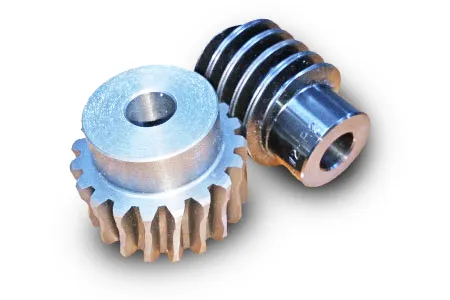
What is a worm screw in mechanical engineering?
In mechanical engineering, a worm screw, also known as a worm gear screw or worm gear, is a type of gear mechanism used to transmit motion and power between non-parallel shafts. It consists of a spiral-shaped screw, called the worm, and a gear wheel, called the worm wheel or worm gear. The worm screw and worm wheel have helical teeth that mesh together to transfer rotational motion.
The worm screw typically has a single thread or multiple threads wrapped around its cylindrical body. The worm wheel, on the other hand, has teeth that are specially shaped to mesh with the worm screw. The orientation of the worm screw and worm wheel is such that the axes of rotation are perpendicular to each other. This configuration allows the worm screw to convert rotational motion along its axis into rotary motion perpendicular to its axis.
One of the defining characteristics of a worm screw is its high gear ratio. Due to the helical nature of the teeth, a worm screw can achieve a high reduction ratio in a single gear stage. This means that a small rotation of the worm screw can result in a substantial rotation of the worm wheel. The ratio of the number of teeth on the worm wheel to the number of threads on the worm screw determines the reduction ratio.
Worm screws have several advantages and applications in mechanical engineering:
- High Reduction Ratio: As mentioned earlier, worm screws offer high gear ratios, making them suitable for applications that require significant speed reduction and torque multiplication. They are commonly used in applications where large gear reductions are needed, such as in conveyor systems, winches, and lifting equipment.
- Self-Locking: A unique characteristic of worm screws is their self-locking property. The angle of the helical teeth creates a wedging effect that prevents the worm wheel from driving the worm screw. This self-locking feature allows worm screws to hold loads without the need for additional braking mechanisms, making them suitable for applications where holding positions or preventing back-driving is crucial, such as in elevators or lifting mechanisms.
- Smooth and Quiet Operation: The helical teeth of the worm screw and worm wheel facilitate smooth and quiet operation. The gradual engagement and disengagement of the teeth minimize noise, vibration, and backlash, resulting in a more efficient and reliable gear mechanism.
- Compact Design: Worm screws offer a compact design compared to other gear mechanisms. The perpendicular arrangement of the worm screw and worm wheel allows for a compact and space-saving installation, making them suitable for applications where size constraints are a consideration.
- Reduction of Input Speed: Worm screws are commonly used to reduce the speed of the input shaft while increasing torque. This is advantageous in applications where slower, controlled motion is required, such as in industrial machinery, conveyors, and robotics.
It should be noted that worm screws also have some limitations, including lower efficiency compared to other gear mechanisms, higher friction due to sliding motion, and limited reverse operation capabilities. Therefore, careful consideration of the specific application requirements is necessary when deciding whether to use a worm screw in a mechanical system.
<img src="https://img.hzpt.com/img/screwshaft/Honeyview_screwshaft-l1.webp" alt="China Good quality Customized CHINAMFG Thin Tooth Trapezoidal Thread Lead Screw with Square Nut “><img src="https://img.hzpt.com/img/screwshaft/Honeyview_screwshaft-l2.webp" alt="China Good quality Customized CHINAMFG Thin Tooth Trapezoidal Thread Lead Screw with Square Nut “>
editor by Dream 2024-10-28