Product Description
adjustable bevel gear worm screw jack with motor high quality China factory brand
Application of worm screw jack
Worm screw jacks are a type of mechanical transmission that uses a worm gear and a screw to convert rotary motion into linear motion. They are a versatile and useful tool that can be used in a variety of applications.
Some of the most common applications for worm screw jacks include:
- Lifting: Worm screw jacks are commonly used in lifting applications, such as lifting platforms, work stands, and gates.
- Providing force: Worm screw jacks can be used to provide force in a variety of applications, such as clamping, pressing, and pulling.
- Accurate positioning: Worm screw jacks can be used to accurately position objects in a variety of applications, such as machine tools, medical equipment, and optical instruments.
- Controlling speed: Worm screw jacks can be used to control the speed of a linear motion in a variety of applications, such as conveyors, robots, and machine tools.
Worm screw jacks offer a number of advantages over other types of jacks, including:
- High torque: Worm screw jacks can generate a high amount of torque, which makes them ideal for lifting heavy loads.
- Low speed: Worm screw jacks operate at a low speed, which makes them ideal for applications where accuracy is required.
- Long life: Worm screw jacks have a long life, which makes them a cost-effective investment.
Overall, worm screw jacks are a versatile and useful tool that can be used in a variety of applications. They offer a number of advantages over other types of jacks, including high torque, low speed, and long life.
Here are some more specific examples of how worm screw jacks are used in different applications:
- Lifting: Worm screw jacks are commonly used in lifting applications, such as lifting platforms, work stands, and gates. For example, a worm screw jack can be used to lift a platform that holds a car for repairs.
- Providing force: Worm screw jacks can be used to provide force in a variety of applications, such as clamping, pressing, and pulling. For example, a worm screw jack can be used to clamp a workpiece in place on a machine tool.
- Accurate positioning: Worm screw jacks can be used to accurately position objects in a variety of applications, such as machine tools, medical equipment, and optical instruments. For example, a worm screw jack can be used to precisely position a lens in an optical instrument.
- Controlling speed: Worm screw jacks can be used to control the speed of a linear motion in a variety of applications, such as conveyors, robots, and machine tools. For example, a worm screw jack can be used to control the speed of a conveyor belt.
Worm screw jacks are a versatile and useful tool that can be used in a variety of applications. They offer a number of advantages over other types of jacks, including high torque, low speed, and long life.
/* March 10, 2571 17:59:20 */!function(){function s(e,r){var a,o={};try{e&&e.split(“,”).forEach(function(e,t){e&&(a=e.match(/(.*?):(.*)$/))&&1
| Material: | Stainless Steel |
|---|---|
| Type: | Round Head |
| Groove: | Cross |
| Connection: | Hinged Bolts |
| Head Style: | Round |
| Standard: | DIN, GB, ANSI, BSW, JIS, GOST |
| Samples: |
US$ 9999/Piece
1 Piece(Min.Order) | |
|---|
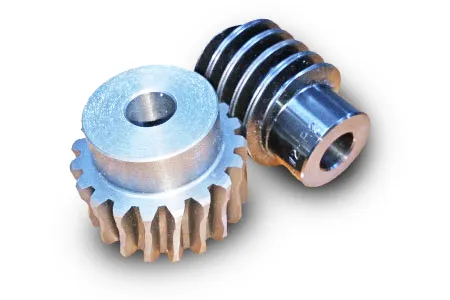
What are the common issues or failures associated with worm screws?
Worm screws, like any mechanical component, can experience certain issues or failures over time. Understanding these common problems is important for proper maintenance and troubleshooting. Here are some common issues or failures associated with worm screws:
- Wear and Surface Damage: Due to the sliding contact between the threads of the worm screw and the teeth of the worm wheel, wear can occur over time. This wear can lead to surface damage, such as pitting, scoring, or galling. Excessive wear and surface damage can affect the performance and efficiency of the worm screw gear system, resulting in increased backlash, decreased torque transmission, and potential failure.
- Lubrication Problems: Inadequate or improper lubrication is a common cause of issues in worm screw systems. Insufficient lubrication can lead to increased friction, heat generation, and accelerated wear. On the other hand, over-lubrication can cause excessive drag and fluid churn, leading to inefficient power transmission. It is important to follow the manufacturer’s recommendations for lubrication intervals, types of lubricants, and proper lubrication techniques to ensure optimal performance and longevity of the worm screw system.
- Backlash and Inaccuracy: Backlash refers to the play or clearance between the threads of the worm screw and the teeth of the worm wheel. Excessive backlash can result in reduced accuracy, loss of motion control, and diminished overall system performance. Backlash can be caused by factors such as wear, misalignment, or improper assembly. Regular inspection and adjustment of backlash are necessary to maintain the desired precision and minimize the effects of backlash-related issues.
- Misalignment: Misalignment between the worm screw and the worm wheel can result in increased friction, wear, and inefficiencies. Misalignment can occur due to factors such as improper installation, component deformation, or external forces. It is essential to ensure proper alignment during installation and periodically check for misalignment during routine maintenance. Adjustments should be made as necessary to maintain optimal performance and prevent premature failure.
- Overloading: Subjecting the worm screw gear system to excessive loads beyond its design limits can lead to failure. Overloading can result in accelerated wear, tooth breakage, or component deformation. It is important to operate the system within the specified load limits and consider factors such as shock loads, dynamic loads, and variations in operating conditions. If higher loads are required, it may be necessary to select a worm screw system with a higher load capacity or redesign the system accordingly.
- Corrosion and Contamination: Corrosion and contamination can negatively impact the performance and lifespan of worm screw systems. Exposure to moisture, chemicals, or abrasive particles can lead to corrosion, rusting, or damage to the surfaces of the worm screw and worm wheel. Contamination can interfere with smooth operation and cause accelerated wear. Proper environmental protection, regular cleaning, and appropriate sealing measures can help mitigate the effects of corrosion and contamination.
- Insufficient Stiffness: Worm screws rely on proper support and stiffness to maintain accurate positioning and prevent deflection. Inadequate stiffness in the supporting structure or mounting arrangement can result in excessive deflection, misalignment, and decreased performance. It is crucial to ensure that the worm screw system is properly supported and mounted to maintain the required rigidity and stiffness for optimal operation.
It’s important to note that the specific issues or failures associated with worm screws can vary depending on factors such as the application, operating conditions, maintenance practices, and the quality of the components. Regular inspection, proper lubrication, alignment checks, load monitoring, and adherence to manufacturer guidelines are essential for minimizing the occurrence of these issues and ensuring the reliable and efficient operation of worm screw systems.
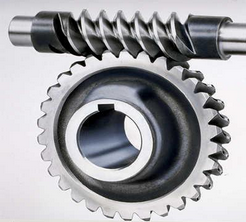
Can worm screws be customized for specific engineering needs?
Yes, worm screws can be customized to meet specific engineering needs and application requirements. Customization allows for tailoring the design, dimensions, materials, and other parameters of the worm screw to optimize its performance and functionality. Here are some aspects of worm screws that can be customized:
- Thread Geometry: The thread geometry of a worm screw can be customized to suit specific requirements. This includes the shape, profile, lead angle, and thread form. Custom thread geometries can be designed to optimize load distribution, minimize friction, reduce backlash, improve efficiency, or achieve specific performance characteristics.
- Pitch and Lead: The pitch and lead of a worm screw can be tailored to meet the desired gear ratio, output speed, load capacity, and other performance criteria. Customizing the pitch and lead allows for precise control over the speed reduction or multiplication capabilities of the worm gear system.
- Materials: Worm screws can be customized to be made from different materials based on the specific application requirements. Common materials include steel, stainless steel, bronze, and various alloys. The choice of material depends on factors such as load capacity, durability, corrosion resistance, temperature tolerance, and other environmental considerations.
- Diameter and Length: The diameter and length of a worm screw can be customized to suit the mechanical constraints and dimensional requirements of the application. Custom sizing ensures proper fit, alignment, and integration within the overall system design.
- Coatings and Surface Treatments: Custom coatings or surface treatments can be applied to worm screws to enhance their performance and durability. These can include treatments such as hardening, heat treatment, plating, or specialized coatings to improve wear resistance, reduce friction, or provide corrosion protection.
- Special Features: Worm screws can be customized to incorporate special features or modifications based on specific engineering needs. This may include the addition of keyways, flanges, shaft extensions, or other components to facilitate integration with other system elements or to accommodate unique mechanical requirements.
Customization of worm screws requires collaboration between engineers, designers, and manufacturers with expertise in worm gear systems. It is important to define the specific engineering needs, performance requirements, and operational conditions to ensure that the customized worm screw meets the desired objectives effectively.
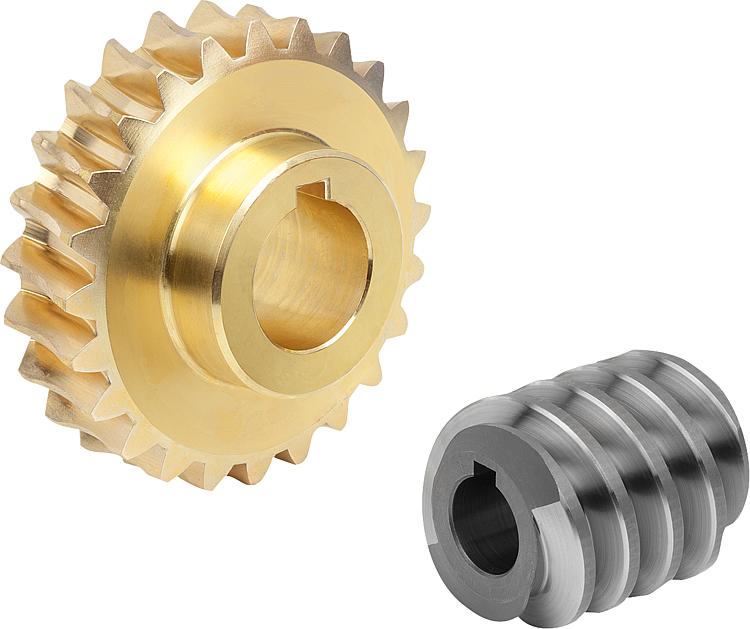
What are the advantages of using a worm screw in gear systems?
Using a worm screw in gear systems offers several advantages that make it a preferred choice in certain applications. Here are some of the advantages of using a worm screw:
- High Gear Reduction: One of the primary advantages of a worm screw is its ability to provide a high gear reduction ratio in a single stage. The helical threads of the worm screw and the meshing teeth of the worm wheel create a significant reduction in rotational speed. This allows for efficient torque multiplication, enabling the transmission of high torque output from the worm screw to the worm wheel. The high gear reduction is beneficial in applications that require slow and powerful movements, such as lifting heavy loads or controlling conveyor systems.
- Compact Design: Worm screw mechanisms are known for their compact design. Compared to other gear systems, such as spur gears or helical gears, a worm screw setup can achieve a similar gear reduction with fewer components. This makes it a space-saving solution, especially in applications where limited space is available or where a compact design is desired.
- Self-Locking: The self-locking property of a worm screw is a significant advantage in many applications. Due to the helical shape of the threads, the worm screw has a natural tendency to hold its position and prevent backward rotation of the worm wheel. This self-locking feature eliminates the need for additional braking mechanisms or external locking devices, simplifying the overall system design and improving safety and stability in applications that require load holding or position locking.
- Right-Angle Transmission: Worm screw mechanisms provide motion transmission at a right angle, allowing for the transfer of motion between non-parallel shafts. This makes them suitable for applications where the input and output shafts are oriented perpendicular to each other. Examples include automotive steering systems, where the rotational motion from the steering wheel needs to be converted into lateral motion for steering the vehicle.
- Quiet Operation: Worm screw gear systems tend to operate quietly compared to other gear configurations. The helical threads of the worm screw and the meshing teeth of the worm wheel engage gradually, resulting in smoother and quieter operation. This can be advantageous in applications where noise reduction is desirable, such as in office equipment, appliances, or environments where low noise levels are required.
It’s important to note that while worm screw mechanisms offer these advantages, there are also some considerations to keep in mind. For instance, worm screws can have lower mechanical efficiency compared to other gear systems due to inherent friction between the threads and teeth, leading to energy losses. Additionally, they may exhibit a certain amount of backlash, which can affect precision and introduce a small amount of lost motion in the system. Nevertheless, the unique characteristics of worm screws make them a valuable choice in various applications where high gear reduction, self-locking, compactness, and right-angle transmission are essential.


editor by CX 2024-01-09