Product Description
Transmission Conponents Worm Bolt Worm Screw Jacks Application Mechanism Factory Industrial China Brand
Application of Worm Screw Jacks
Worm screw jacks are used in a wide variety of applications where a high level of torque is required, but speed is not a major concern. Some common applications include:
- Lifting and hoisting: Worm screw jacks are often used in lifting and hoisting applications, such as cranes, hoists, and elevators.
- Clamping and holding: Worm screw jacks can also be used for clamping and holding applications, such as in machine tools and woodworking.
- Providing linear motion: Worm screw jacks can also be used to provide linear motion, such as in positioning tables and slides.
- Other applications: Worm screw jacks can also be used in a variety of other applications, such as in valves, dampers, and actuators.
Worm screw jacks are a versatile and reliable type of linear actuator. They are available in a wide range of sizes and capacities, and they can be used in a variety of different applications.
Here are some of the advantages of using worm screw jacks:
- They can provide a high level of torque.
- They are relatively inexpensive.
- They are easy to install and maintain.
- They are available in a wide range of sizes and capacities.
Here are some of the disadvantages of using worm screw jacks:
- They are not as fast as other types of linear actuators.
- They can be noisy.
- They can be more difficult to lubricate than other types of linear actuators.
Overall, worm screw jacks are a good choice for applications where a high level of torque is required, but speed is not a major concern. They are available in a wide range of sizes and capacities, and they are relatively inexpensive and easy to install and maintain.
/* March 10, 2571 17:59:20 */!function(){function s(e,r){var a,o={};try{e&&e.split(“,”).forEach(function(e,t){e&&(a=e.match(/(.*?):(.*)$/))&&1
| Material: | Stainless Steel |
|---|---|
| Type: | Round Head |
| Groove: | Cross |
| Connection: | Hinged Bolts |
| Head Style: | Round |
| Standard: | DIN, GB, ANSI, BSW, JIS, GOST |
| Samples: |
US$ 9999/Piece
1 Piece(Min.Order) | |
|---|
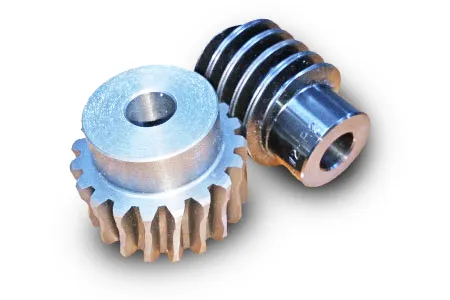
What are the common issues or failures associated with worm screws?
Worm screws, like any mechanical component, can experience certain issues or failures over time. Understanding these common problems is important for proper maintenance and troubleshooting. Here are some common issues or failures associated with worm screws:
- Wear and Surface Damage: Due to the sliding contact between the threads of the worm screw and the teeth of the worm wheel, wear can occur over time. This wear can lead to surface damage, such as pitting, scoring, or galling. Excessive wear and surface damage can affect the performance and efficiency of the worm screw gear system, resulting in increased backlash, decreased torque transmission, and potential failure.
- Lubrication Problems: Inadequate or improper lubrication is a common cause of issues in worm screw systems. Insufficient lubrication can lead to increased friction, heat generation, and accelerated wear. On the other hand, over-lubrication can cause excessive drag and fluid churn, leading to inefficient power transmission. It is important to follow the manufacturer’s recommendations for lubrication intervals, types of lubricants, and proper lubrication techniques to ensure optimal performance and longevity of the worm screw system.
- Backlash and Inaccuracy: Backlash refers to the play or clearance between the threads of the worm screw and the teeth of the worm wheel. Excessive backlash can result in reduced accuracy, loss of motion control, and diminished overall system performance. Backlash can be caused by factors such as wear, misalignment, or improper assembly. Regular inspection and adjustment of backlash are necessary to maintain the desired precision and minimize the effects of backlash-related issues.
- Misalignment: Misalignment between the worm screw and the worm wheel can result in increased friction, wear, and inefficiencies. Misalignment can occur due to factors such as improper installation, component deformation, or external forces. It is essential to ensure proper alignment during installation and periodically check for misalignment during routine maintenance. Adjustments should be made as necessary to maintain optimal performance and prevent premature failure.
- Overloading: Subjecting the worm screw gear system to excessive loads beyond its design limits can lead to failure. Overloading can result in accelerated wear, tooth breakage, or component deformation. It is important to operate the system within the specified load limits and consider factors such as shock loads, dynamic loads, and variations in operating conditions. If higher loads are required, it may be necessary to select a worm screw system with a higher load capacity or redesign the system accordingly.
- Corrosion and Contamination: Corrosion and contamination can negatively impact the performance and lifespan of worm screw systems. Exposure to moisture, chemicals, or abrasive particles can lead to corrosion, rusting, or damage to the surfaces of the worm screw and worm wheel. Contamination can interfere with smooth operation and cause accelerated wear. Proper environmental protection, regular cleaning, and appropriate sealing measures can help mitigate the effects of corrosion and contamination.
- Insufficient Stiffness: Worm screws rely on proper support and stiffness to maintain accurate positioning and prevent deflection. Inadequate stiffness in the supporting structure or mounting arrangement can result in excessive deflection, misalignment, and decreased performance. It is crucial to ensure that the worm screw system is properly supported and mounted to maintain the required rigidity and stiffness for optimal operation.
It’s important to note that the specific issues or failures associated with worm screws can vary depending on factors such as the application, operating conditions, maintenance practices, and the quality of the components. Regular inspection, proper lubrication, alignment checks, load monitoring, and adherence to manufacturer guidelines are essential for minimizing the occurrence of these issues and ensuring the reliable and efficient operation of worm screw systems.
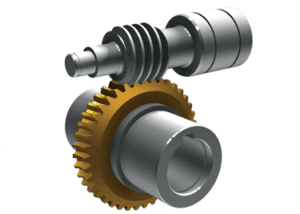
How do you troubleshoot problems in a worm screw gear system?
Troubleshooting problems in a worm screw gear system requires a systematic approach to identify and resolve issues effectively. Here are the steps involved in troubleshooting problems in a worm screw gear system:
- Identify the Symptoms: Start by identifying the specific symptoms or issues that indicate a problem in the worm screw gear system. This can include abnormal noise, reduced performance, increased backlash, erratic motion, or any other noticeable deviations from normal operation. Gather as much information as possible about the symptoms to help narrow down the potential causes.
- Inspect and Clean: Conduct a visual inspection of the worm screw gear system to check for any obvious signs of wear, damage, misalignment, or contamination. Inspect the threads of the worm screw and the teeth of the worm wheel for signs of pitting, scoring, or other surface irregularities. Clean the components if necessary to remove any debris or contaminants that may be affecting the system’s performance.
- Check Lubrication: Review the lubrication of the worm screw gear system. Ensure that the system is adequately lubricated with the recommended lubricant and that the lubricant is in good condition. Insufficient or degraded lubrication can result in increased friction, wear, and inefficiencies. Replenish or replace the lubricant as needed following the manufacturer’s guidelines.
- Inspect Alignment: Verify the alignment of the worm screw and the worm wheel. Misalignment can cause issues such as increased friction, wear, and reduced efficiency. Check for any signs of misalignment and make adjustments as necessary to ensure proper alignment of the components. This may involve repositioning or realigning the system or addressing any underlying factors contributing to the misalignment.
- Measure Backlash: Measure the amount of backlash present in the system. Excessive backlash can lead to reduced accuracy, loss of motion control, and diminished performance. Use appropriate measuring tools, such as dial indicators, to quantify the amount of backlash. If the backlash exceeds acceptable limits, consider adjusting the system to minimize or eliminate the excessive clearance between the threads and the teeth.
- Check Load and Overloading: Evaluate the loads applied to the worm screw gear system and compare them to the system’s design limits. Overloading the system can lead to accelerated wear, tooth breakage, or component deformation. If the loads exceed the system’s capacity, consider redistributing the load, upgrading the components, or redesigning the system to handle the required loads appropriately.
- Address Specific Issues: Based on the symptoms and findings from the inspection and measurements, address any specific issues identified in the worm screw gear system. This may involve repairing or replacing worn or damaged components, adjusting clearances, realigning the system, improving lubrication, or addressing any other factors contributing to the problems observed.
- Test and Monitor: After addressing the identified issues, test the worm screw gear system to verify that the problems have been resolved. Monitor the system’s performance during operation to ensure that the symptoms have been effectively mitigated. Pay attention to any new or recurring issues that may require further investigation or adjustments.
It is important to note that troubleshooting problems in a worm screw gear system may require expertise and experience. If you encounter complex or persistent issues that you are unable to resolve, it is recommended to seek assistance from qualified technicians or professionals with knowledge in mechanical power transmission systems.
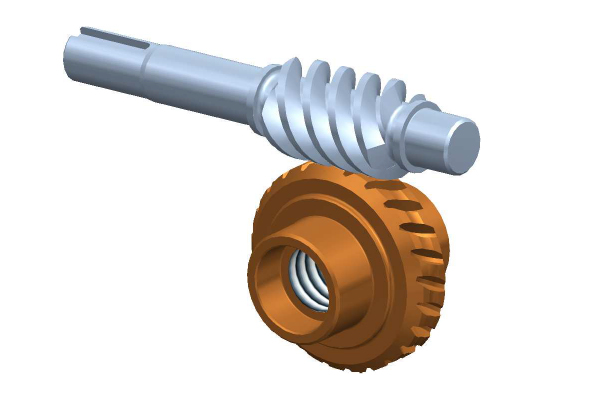
How do you calculate the gear ratio for a worm screw and gear setup?
In a worm screw and gear setup, the gear ratio is determined by the number of teeth on the worm wheel (gear) and the number of threads on the worm screw. The gear ratio represents the relationship between the rotational speed of the worm screw and the resulting rotational speed of the worm wheel. The formula to calculate the gear ratio is as follows:
Gear Ratio = Number of Teeth on Worm Wheel / Number of Threads on Worm Screw
Here’s a step-by-step process to calculate the gear ratio:
- Count the number of teeth on the worm wheel. This can be done by visually inspecting the gear or referring to its specifications.
- Count the number of threads on the worm screw. The threads refer to the number of complete turns or helical grooves wrapped around the cylindrical body of the worm screw.
- Divide the number of teeth on the worm wheel by the number of threads on the worm screw.
- The result of the division is the gear ratio. It represents the number of revolutions of the worm screw required to complete one revolution of the worm wheel.
For example, let’s say the worm wheel has 40 teeth, and the worm screw has 2 threads. Using the formula, we can calculate the gear ratio as follows:
Gear Ratio = 40 teeth / 2 threads = 20
In this case, for every full revolution of the worm screw, the worm wheel will rotate 1/20th of a revolution. This indicates a significant speed reduction, resulting in high torque output at the worm wheel.
It’s important to note that the gear ratio calculated using this formula assumes an ideal scenario without considering factors like friction, efficiency losses, or the pitch diameter of the gears. In practical applications, these factors may affect the actual gear ratio and performance of the worm screw and gear setup.


editor by CX 2024-01-11