Product Description
LXK350B CNC screw milling machine is a series of screw processing machine tools developed by our company leading varieties, the product is designed for the processing of equal lead, variable lead, gradual lead, equal groove depth, variable groove depth and other special-purpose screw machine.
| project | details | units |
| Bed width | 800 | mm |
| The length of the lathe bed | 6700 | mm |
| Bed guide rail | Mountain track + horizontal track | |
| Maximum workpiece length | 5000 | mm |
| Maximum machining length | 4700 | mm |
| Maximum milling diameter | Φ 350 | mm |
| Center height of machine tool | 500 | mm |
| Chuck specifications | K11-400 | |
| Milling head motor power | 11 (frequency) | Kw |
| Mill head transmission ratio | 3 1:3. | |
| Milling cutter speed rating | 400 | r/min |
| Spindle mounting taper of milling head | “(69.85) Φ | |
| Milling head down adjustment range | – 5 to + 10 | mm |
| Milling head adjustable Angle | Plus or minus 30 | The degree of |
| C-axis servo motor torque | 22 | N.m |
| C shaft speed | 0 to 5 | r/min |
| C axis drive form | Worm gear and worm | |
| C axis transmission ratio | 1:30 0 | |
| C axis positioning accuracy | 10 | Angle of seconds |
| X axis servo motor torque | 15 | N.m |
| X axis drive form | Ball screw + synchronous wheel | |
| X axis guide rail pair type | 55 ° dovetail | |
| X axis ball screw specifications | 4005 | |
| X axis positioning accuracy | 0.02 | mm |
Q1, How do I send my query?
You can contact us via email, phone, instant messaging (WhatsApp, , Skype).
Q2,If you don’t know which model is suitable for your company, please tell us your requirements for the equipment, or you can send us the product drawings, and our engineers can help you choose the most suitable model for you.
Q3,delivery time
The project will be completed within 20 days after receiving the deposit. Please communicate with the sales staff about the specific construction period.
Q4,Payment Terms
30% by T/T as down payment, balance 70% by T/T before delivery. If others payment terms, we can discuss.Welcome to inquiry sales.
Q5,Can your engineers come to help us install and debug the machine?
Yes, our engineers are available to travel to your place. Round flight tickets & accommodation will be at your cost.
Q6, If I can’t know how to operate. Can your engineer help me programme well on machine?
Sure. You can provide your detailed sample drawing.engineer can programme well on machine. Or in some machines, we will put into U-disc of operation video to help you.
Q7,Is there only 1 model of this device?
The standard processing diameter range of this equipment is 350mm, if you have other processing range, you can negotiate with the sales contact. Length range, we can do from 1000mm to 8000mm, and all are integral cast bed.
Q8, processing efficiency
Our CNC machine tool from the lathe bed casting weight, wide guide rail, large motor power, can use a maximum diameter of 50 round rod milling cutter processing, the maximum cutting depth can reach 40mm, so the processing efficiency is very high.
Q9,What control system does the equipment use
Our standard configuration is HangZhou CNC system, fanuc and CHINAMFG can also be used, but the price is slightly different, please contact sales for details.
Remark : Our company produces all kinds of milling and grinding machines , please send me your machining diameter range, drawings or pictures of workpieces , and I will provide more detailed machinery parameters .
/* March 10, 2571 17:59:20 */!function(){function s(e,r){var a,o={};try{e&&e.split(“,”).forEach(function(e,t){e&&(a=e.match(/(.*?):(.*)$/))&&1
| After-sales Service: | Available |
|---|---|
| Warranty: | 3 Years |
| Transport Package: | Seaworthy Wooden Cases |
| Specification: | 5000*2100*2100 |
| Trademark: | Kangnuo |
| Origin: | Cangzhou, Hebei, China |
| Customization: |
Available
|
|
|---|
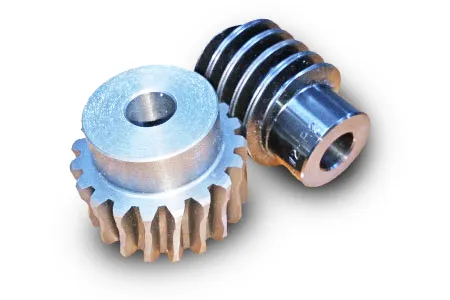
What are the common issues or failures associated with worm screws?
Worm screws, like any mechanical component, can experience certain issues or failures over time. Understanding these common problems is important for proper maintenance and troubleshooting. Here are some common issues or failures associated with worm screws:
- Wear and Surface Damage: Due to the sliding contact between the threads of the worm screw and the teeth of the worm wheel, wear can occur over time. This wear can lead to surface damage, such as pitting, scoring, or galling. Excessive wear and surface damage can affect the performance and efficiency of the worm screw gear system, resulting in increased backlash, decreased torque transmission, and potential failure.
- Lubrication Problems: Inadequate or improper lubrication is a common cause of issues in worm screw systems. Insufficient lubrication can lead to increased friction, heat generation, and accelerated wear. On the other hand, over-lubrication can cause excessive drag and fluid churn, leading to inefficient power transmission. It is important to follow the manufacturer’s recommendations for lubrication intervals, types of lubricants, and proper lubrication techniques to ensure optimal performance and longevity of the worm screw system.
- Backlash and Inaccuracy: Backlash refers to the play or clearance between the threads of the worm screw and the teeth of the worm wheel. Excessive backlash can result in reduced accuracy, loss of motion control, and diminished overall system performance. Backlash can be caused by factors such as wear, misalignment, or improper assembly. Regular inspection and adjustment of backlash are necessary to maintain the desired precision and minimize the effects of backlash-related issues.
- Misalignment: Misalignment between the worm screw and the worm wheel can result in increased friction, wear, and inefficiencies. Misalignment can occur due to factors such as improper installation, component deformation, or external forces. It is essential to ensure proper alignment during installation and periodically check for misalignment during routine maintenance. Adjustments should be made as necessary to maintain optimal performance and prevent premature failure.
- Overloading: Subjecting the worm screw gear system to excessive loads beyond its design limits can lead to failure. Overloading can result in accelerated wear, tooth breakage, or component deformation. It is important to operate the system within the specified load limits and consider factors such as shock loads, dynamic loads, and variations in operating conditions. If higher loads are required, it may be necessary to select a worm screw system with a higher load capacity or redesign the system accordingly.
- Corrosion and Contamination: Corrosion and contamination can negatively impact the performance and lifespan of worm screw systems. Exposure to moisture, chemicals, or abrasive particles can lead to corrosion, rusting, or damage to the surfaces of the worm screw and worm wheel. Contamination can interfere with smooth operation and cause accelerated wear. Proper environmental protection, regular cleaning, and appropriate sealing measures can help mitigate the effects of corrosion and contamination.
- Insufficient Stiffness: Worm screws rely on proper support and stiffness to maintain accurate positioning and prevent deflection. Inadequate stiffness in the supporting structure or mounting arrangement can result in excessive deflection, misalignment, and decreased performance. It is crucial to ensure that the worm screw system is properly supported and mounted to maintain the required rigidity and stiffness for optimal operation.
It’s important to note that the specific issues or failures associated with worm screws can vary depending on factors such as the application, operating conditions, maintenance practices, and the quality of the components. Regular inspection, proper lubrication, alignment checks, load monitoring, and adherence to manufacturer guidelines are essential for minimizing the occurrence of these issues and ensuring the reliable and efficient operation of worm screw systems.
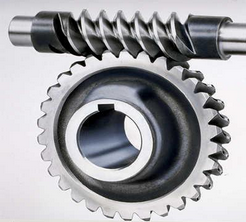
Can worm screws be customized for specific engineering needs?
Yes, worm screws can be customized to meet specific engineering needs and application requirements. Customization allows for tailoring the design, dimensions, materials, and other parameters of the worm screw to optimize its performance and functionality. Here are some aspects of worm screws that can be customized:
- Thread Geometry: The thread geometry of a worm screw can be customized to suit specific requirements. This includes the shape, profile, lead angle, and thread form. Custom thread geometries can be designed to optimize load distribution, minimize friction, reduce backlash, improve efficiency, or achieve specific performance characteristics.
- Pitch and Lead: The pitch and lead of a worm screw can be tailored to meet the desired gear ratio, output speed, load capacity, and other performance criteria. Customizing the pitch and lead allows for precise control over the speed reduction or multiplication capabilities of the worm gear system.
- Materials: Worm screws can be customized to be made from different materials based on the specific application requirements. Common materials include steel, stainless steel, bronze, and various alloys. The choice of material depends on factors such as load capacity, durability, corrosion resistance, temperature tolerance, and other environmental considerations.
- Diameter and Length: The diameter and length of a worm screw can be customized to suit the mechanical constraints and dimensional requirements of the application. Custom sizing ensures proper fit, alignment, and integration within the overall system design.
- Coatings and Surface Treatments: Custom coatings or surface treatments can be applied to worm screws to enhance their performance and durability. These can include treatments such as hardening, heat treatment, plating, or specialized coatings to improve wear resistance, reduce friction, or provide corrosion protection.
- Special Features: Worm screws can be customized to incorporate special features or modifications based on specific engineering needs. This may include the addition of keyways, flanges, shaft extensions, or other components to facilitate integration with other system elements or to accommodate unique mechanical requirements.
Customization of worm screws requires collaboration between engineers, designers, and manufacturers with expertise in worm gear systems. It is important to define the specific engineering needs, performance requirements, and operational conditions to ensure that the customized worm screw meets the desired objectives effectively.
What is a worm screw in mechanical engineering?
In mechanical engineering, a worm screw, also known as a worm gear screw or worm gear, is a type of gear mechanism used to transmit motion and power between non-parallel shafts. It consists of a spiral-shaped screw, called the worm, and a gear wheel, called the worm wheel or worm gear. The worm screw and worm wheel have helical teeth that mesh together to transfer rotational motion.
The worm screw typically has a single thread or multiple threads wrapped around its cylindrical body. The worm wheel, on the other hand, has teeth that are specially shaped to mesh with the worm screw. The orientation of the worm screw and worm wheel is such that the axes of rotation are perpendicular to each other. This configuration allows the worm screw to convert rotational motion along its axis into rotary motion perpendicular to its axis.
One of the defining characteristics of a worm screw is its high gear ratio. Due to the helical nature of the teeth, a worm screw can achieve a high reduction ratio in a single gear stage. This means that a small rotation of the worm screw can result in a substantial rotation of the worm wheel. The ratio of the number of teeth on the worm wheel to the number of threads on the worm screw determines the reduction ratio.
Worm screws have several advantages and applications in mechanical engineering:
- High Reduction Ratio: As mentioned earlier, worm screws offer high gear ratios, making them suitable for applications that require significant speed reduction and torque multiplication. They are commonly used in applications where large gear reductions are needed, such as in conveyor systems, winches, and lifting equipment.
- Self-Locking: A unique characteristic of worm screws is their self-locking property. The angle of the helical teeth creates a wedging effect that prevents the worm wheel from driving the worm screw. This self-locking feature allows worm screws to hold loads without the need for additional braking mechanisms, making them suitable for applications where holding positions or preventing back-driving is crucial, such as in elevators or lifting mechanisms.
- Smooth and Quiet Operation: The helical teeth of the worm screw and worm wheel facilitate smooth and quiet operation. The gradual engagement and disengagement of the teeth minimize noise, vibration, and backlash, resulting in a more efficient and reliable gear mechanism.
- Compact Design: Worm screws offer a compact design compared to other gear mechanisms. The perpendicular arrangement of the worm screw and worm wheel allows for a compact and space-saving installation, making them suitable for applications where size constraints are a consideration.
- Reduction of Input Speed: Worm screws are commonly used to reduce the speed of the input shaft while increasing torque. This is advantageous in applications where slower, controlled motion is required, such as in industrial machinery, conveyors, and robotics.
It should be noted that worm screws also have some limitations, including lower efficiency compared to other gear mechanisms, higher friction due to sliding motion, and limited reverse operation capabilities. Therefore, careful consideration of the specific application requirements is necessary when deciding whether to use a worm screw in a mechanical system.


editor by CX 2024-01-15